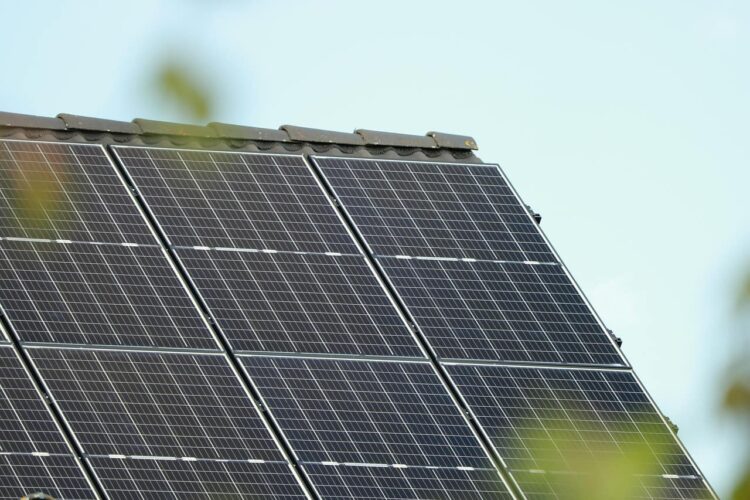
Sussex homeowners are increasingly turning to solar power as a practical way to reduce energy costs and lower their environmental impact. With energy prices continuing to rise across the UK, making the switch to renewable energy is a decision that offers both immediate and long-term financial rewards. Understanding the steps involved before committing to an installation is what separates a smooth, successful project from a costly, avoidable headache.

In this article, we cover everything you need to know before proceeding with a home solar installation project. From assessing your roof’s suitability and navigating local planning rules, to understanding financial incentives and what ongoing maintenance looks like, this guide gives you a clear, practical picture of the process from start to finish.
Key Takeaways
- South-facing roofs with a 30 to 40-degree pitch deliver the strongest solar performance in the UK climate.
- Many Sussex homeowners qualify for permitted development rights, meaning no formal planning application is required.
- Properties in conservation areas or with listed building status face additional planning requirements before installation.
- The Smart Export Guarantee allows you to earn money by selling surplus electricity back to the national grid.
- Routine maintenance is minimal but essential for protecting the long-term efficiency and lifespan of your system.
Assessing Your Property for Solar
A thorough property assessment is the foundation of any successful home solar installation project in Sussex, covering roof orientation, shading, and structural condition. This directly determines how much energy your system will generate and how cost-effective your investment will be. Skipping this step often leads to underperforming systems and unexpected additional costs down the line.
Getting this right from the beginning ensures your system is sized correctly for your property and your household’s energy habits. A professional assessment also gives you a realistic picture of what returns to expect over the lifetime of the installation.
Roof Orientation and Pitch
In the UK, south-facing roofs receive the most consistent direct sunlight throughout the day and are considered the ideal orientation for solar panels. East and west-facing roofs can still perform well, but they typically require a larger number of panels to generate an equivalent amount of energy.
The angle of your roof is equally important. A pitch of between 30 and 40 degrees is widely regarded as optimal for capturing sunlight across all seasons in the UK. Roofs that fall outside this range are not disqualified, but the installation design may need to account for the difference to maintain strong output.
Identifying Shading Issues
Shading is one of the most significant factors affecting solar panel performance. Even partial shading on a single panel can reduce the output of your entire array, depending on how your system is wired and configured. A thorough shading analysis before installation is not optional; it is a necessary part of accurate system planning.
When reviewing potential shading on your property, the following should be carefully considered:
● Seasonal shifts in sun position and how shadow lengths change throughout the year. ● The growth trajectory of nearby trees or hedging over the next decade. ● The likelihood of new neighbouring developments that could introduce new shadow sources.
Structural Integrity and Roof Condition
Solar panels are designed to last 25 years or more, so your roof needs to be in strong condition before they are installed. A qualified installer should assess your rafters, battens, and tiles to confirm they can safely support the additional load of a solar array. Any existing damage or deterioration should be addressed before installation begins, not after.
Installing panels on a compromised roof creates the risk of structural problems and access difficulties for repairs later. A pre-installation roof inspection is a relatively straightforward step that protects the full value of your investment from day one.
Planning Permissions and Local Regulations
Understanding the planning landscape in Sussex before you begin is critical to keeping your project on schedule and within budget. Regulations vary depending on your property type and location, and failing to check the applicable rules in advance can lead to delays or, in some cases, enforcement action. The good news is that most standard residential properties in the area face minimal planning barriers.
That said, Sussex has a significant number of conservation areas and listed buildings, which means a portion of homeowners will face a more involved process. Knowing which category your property falls into early on allows you to plan accordingly.
Permitted Development Rights
Most homeowners in the UK can install solar panels under permitted development rights, which means no formal planning application is required. These rights allow you to add solar technology to your home provided the installation meets specific conditions around size, positioning, and visual impact. This significantly reduces the administrative burden and time involved in getting your project started.
The key conditions to be aware of include panels not protruding more than 200 millimetres beyond the roof surface and not extending above the highest point of the roof. It is always worth checking the current government guidance directly before proceeding, as permitted development rules can be updated.
Conservation Areas and Listed Buildings
If your property sits within a designated conservation area in Sussex, additional scrutiny applies. Panels must generally not be visible from the public highway in these areas, which can restrict placement options considerably. In some cases, a planning application will be required even when the installation would ordinarily fall within permitted development.
For listed buildings, the requirements are more stringent still. Listed building consent must be obtained before any works are carried out, and applicants must demonstrate that the installation will not negatively affect the building’s historic character or architectural fabric. Working with an experienced installer who understands heritage planning constraints is strongly advisable in these situations.
Working With Local Planning Authorities
Engaging with your local planning authority early in the process is one of the most practical steps you can take. Most councils in Sussex offer pre-application advice services, which allow you to discuss your proposals informally before submitting anything formally. This can save considerable time and help you avoid designs that are unlikely to gain approval.
| Property Status | Planning Requirement | Key Consideration |
| Standard Residential | Permitted Development | Follow size and height limits |
| Sussex Conservation
Areas |
Potential Planning Application | Visual impact on street scene |
| Listed Building | Listed Building Consent | Preservation of historic fabric |
Maintaining an open dialogue with your council from the outset creates goodwill and reduces the risk of your project stalling at a late stage. Proactive communication is consistently more effective than trying to resolve problems after they arise.
Financial Incentives and Energy Savings
The financial case for solar in Sussex is strong, particularly when you factor in the combination of reduced energy bills, government-backed export payments, and the long-term asset value added to your property. Understanding how these elements work together helps you form a realistic picture of your return on investment before committing to an installation. Getting the financial planning right is just as important as getting the technical planning right.
Upfront costs vary depending on system size and property complexity, but the range of available incentives means the payback period for most Sussex households is considerably shorter than it was a decade ago.
The Smart Export Guarantee
The Smart Export Guarantee (SEG) is the UK government’s mechanism for compensating solar panel owners for surplus electricity exported to the national grid. When your panels generate more power than your household consumes, that excess energy is fed back into the grid and you receive a payment per kilowatt hour from your energy supplier. This transforms your solar system from a cost-saving measure into a modest but consistent income stream.
To qualify for the SEG, your system must be installed by a certified professional and registered with an energy supplier that offers an export tariff. Tariff rates vary between suppliers, so it is worth comparing offers before committing to a provider. The SEG has no fixed end date, giving homeowners confidence in the scheme’s continuity.
Calculating Your Return on Investment
Calculating your solar ROI requires looking at several variables in combination. Your current electricity consumption, the size of the system being installed, your self-consumption rate, and the export tariff you secure will all influence how quickly you recoup your investment. UK green energy grants and local authority schemes can also reduce your upfront outlay, improving the overall return.
The table below outlines the key factors and their impact on your financial outcome:
| Factor | Impact on Savings | Financial Benefit |
| System Size | Higher generation
capacity |
Increased export
revenue |
| Energy
Usage |
Greater self-consumption | Lower grid dependency |
| Tariff Rates | Higher export payments | Faster payback period |
Most Sussex homeowners can expect a payback period of between 7 and 12 years depending on the above variables, with systems continuing to generate savings and income for a further 15 to 20 years beyond that point.
Maintenance Costs and Long-Term Efficiency
One of the practical advantages of solar technology is that it requires very little day-to-day attention. The absence of moving parts means wear and tear is minimal, and the main maintenance tasks are straightforward and infrequent. However, neglecting them can result in a gradual decline in output that goes unnoticed until it becomes a more significant issue.
To keep your system operating at peak performance over its lifetime, the following routine steps are recommended:
● Schedule a professional inspection of your system every two to three years. ● Clean panels periodically to remove dirt, moss, and debris that reduce light absorption. ● Monitor your inverter display regularly to track output and identify any anomalies early. ● Trim back nearby vegetation to prevent new shading from emerging over time.
Following these steps consistently extends the operational life of your system and protects the efficiency gains you invested in from the outset.
Conclusion
Going solar in Sussex is a well-founded decision for homeowners who want to reduce their energy costs, lower their carbon footprint, and add lasting value to their property. The process requires careful preparation, from assessing your roof’s suitability to understanding your planning position and evaluating your financial returns.
Working with MCS-certified installers ensures your system is designed, installed, and registered to the standards required to access export payments and any applicable incentives. Taking the time to plan thoroughly at the outset is what determines whether your solar investment delivers on its full potential.
FAQs
Is My Roof Suitable for Solar Panels in Sussex?
Most roofs in Sussex are suitable for solar, but the ideal setup involves a south-facing orientation and a pitch of between 30 and 40 degrees. East and west-facing roofs can also support productive installations, though they may require a larger array. A professional assessment will confirm suitability and flag any structural concerns before installation begins.
Do I Need Planning Permission for Solar Panels in Sussex?
Most residential properties qualify for permitted development rights, meaning no formal planning application is needed. However, properties located within conservation areas or holding listed building status are subject to additional requirements. It is always advisable to check with your local planning authority before proceeding if there is any uncertainty about your property’s status.
How Does the Smart Export Guarantee Work?
The Smart Export Guarantee pays you for surplus electricity your solar panels generate and export to the national grid. Payments are made per kilowatt hour by your chosen energy supplier, with rates varying between providers. Your system must be installed by a certified professional and formally registered with a participating supplier to qualify.
What Maintenance Do Solar Panels Require?
Solar panels are low-maintenance by design, but periodic cleaning and occasional professional inspections are recommended to maintain peak efficiency. Monitoring your inverter output
regularly helps you detect any performance issues early. With proper care, a well-installed system can operate effectively for 25 to 30 years.
What Financial Incentives Are Available for Solar in the UK?
The primary ongoing incentive is the Smart Export Guarantee, which provides payments for exported electricity. UK green energy grants and local authority funding schemes may also be available to help offset installation costs depending on your circumstances. Consulting with a qualified installer or energy advisor will give you a clear picture of what you are currently eligible for.