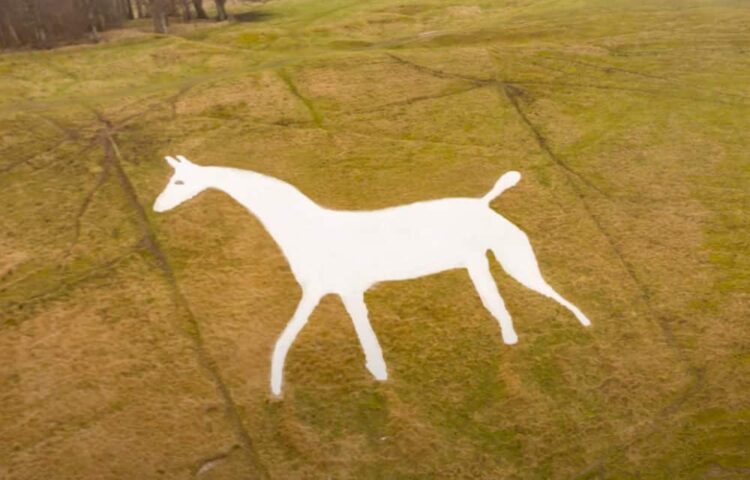
The chalk horses are one of the most mysterious enigmas of the English countryside, having resided in the rolling hills of Wiltshire for many centuries. These massive shapes imprinted on the landscape have stood guard above the land for hundreds or even thousands of years, yet are now being threatened with extinction.

In this article, we’ll explore the history of these ancient hill figures, why they matter, and how extreme weather and shifting ecosystems are putting them at risk. If you don’t like risks, try using the 22Casino no deposit bonus to cash in on big rewards through your gaming achievements on a platform that cares about your safety!
What Are the Wiltshire Chalk Horses?
A Glimpse into Ancient Art
The Wiltshire chalk horses are large geoglyphs. These are drawings made in the land with the removal of the grass and soil level in order to see the white chalk below. The Uffington White Horse is the most famous. While several, like the Westbury and Cherhill White Horses, were created in subsequent centuries, this one is said to be almost 3,000 years old.
Originally made by digging trenches and filling them with crushed chalk, they gradually became symbols of regional philosophy and identity. Others assert that they served as emblems for abundant harvests, marks of territory, or tributes to the gods.
Why Are They So Special?
Unlike stone monuments, chalk horses need constant care. Without regular maintenance, grass and weeds would cover them within decades. For centuries, communities have held “scouring” events, which are festivals where people gather to clean and re-chalk the horses. But now, climate change is making preservation harder than ever.
How Climate Change is Damaging Them
1. Heavy Rainfall and Erosion
One of the biggest threats is increased rainfall, as water easily passes through the porous hills of Wiltshire. The shapes get blurred as stronger storms wash away the whiteness. In 2020, major rains produced landslides around the Uffington Horse, distorting its form. Certain carvings might completely vanish if this erosion keeps up.
2. Drought and Grass Die-Off
On the flip side, longer droughts are also a problem, as when grass dies, the soil becomes loose and blows away. This exposed the chalk to further corrosion. The 2022 heatwave left the Westbury Horse looking patchy as the surrounding grass turned brown.
3. Invasive Plants and Shifting Ecosystems
Warmer temperatures allow new plants to thrive, but some of these are invasive. Fast-growing weeds can smother the chalk, making it harder to maintain. Brambles and thorny shrubs could spread faster, requiring more frequent clean-ups. This means that maintenance costs rise, so some works may be lost to overgrowth this way.
Can We Save Them?
Modern Efforts to Preserve History
Local groups and historians are fighting to protect these ancient landmarks, and some solutions include:
- Using more durable materials (like lime instead of chalk).
- Better drainage systems to prevent flooding.
- Community volunteer programs to increase maintenance.
But without addressing climate change itself, these efforts may only delay the inevitable.
What You Can Do
- Support local preservation societies.
- Visit responsibly (avoid walking on the fragile chalk).
- Spread awareness about how climate change affects cultural heritage.
The Role of Archaeology
Archaeological work around some of the horses has shown interesting information regarding their history. A few pottery fragments and ancient tools indicate that they were religious or ceremonial in nature, with some theories even attributing them to the Celtic horse goddess Epona.
Scientists have an opportunity to compare how ancient communities preserved them. This helps improve conservation techniques today, as certain sources suggest that prehistoric individuals may have used burning methods to manage the flora.
Tourism and Its Impact
Thousands of individuals visit these ancient figures each year. Unfortunately, they usually accidentally end up destroying the area as they walk. Visitors’ footsteps loosen up the soil, and well-meaning travelers sometimes grab a small bit of the earth to take home as a souvenir. In recent years, some areas have been surrounded by fences and viewing platforms to protect them.
As local industries heavily rely on this tourism, sustainable practices are key. Some solutions include:
- Guided tours that educate visitors on preservation.
- Virtual reality experiences for those who can’t visit in person.
Strict no-walking zones enforced by park rangers.