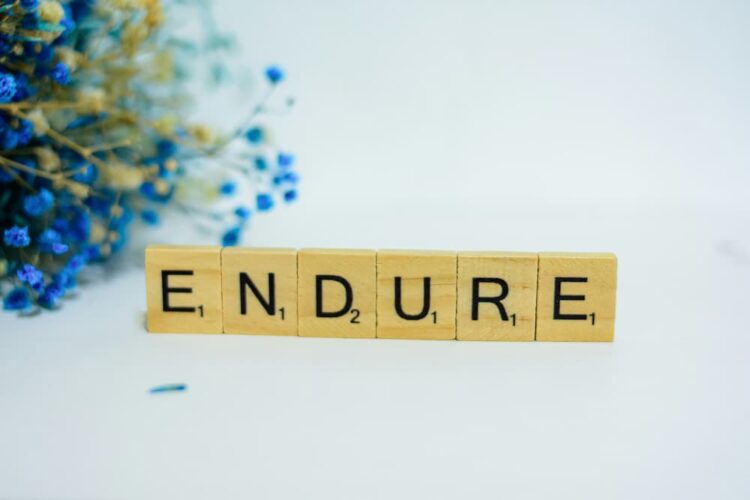
We often imagine strength is about how much weight we can carry without complaining. From a young age, we are taught to “be tough” or “push through” difficulty. While grit is useful in short bursts, treating life like an endless endurance test is dangerous.

There is a massive difference between carrying a heavy load and actually putting it down. True mental health isn’t about how much you can take before you break; it’s about how efficiently you can let go of pressure. Enduring alone creates “latent stress” that stays in your body. Without learning to release this steam, the pressure cooker eventually explodes.
Why Enduring Is Different from Releasing
Enduring stress is a survival skill, but releasing stress is a recovery skill. When you “white-knuckle” your way through a difficult day, your body produces cortisol and adrenaline to help you keep going. If you don’t find a way to lower those levels afterward, that chemical buildup starts to damage your brain and your mood.
This is especially true for people who grew up in high-stress environments. For some, taking a childhood trauma test can reveal why their bodies are naturally programmed to endure pain rather than seek relief.
When we rely solely on willpower to get through life, we experience the “fatigue of grit.” Willpower is a limited resource. If you use it all up just to keep yourself from crying or snapping at people, you won’t have any left for the things that actually matter, like creativity or joy.
Your mind might lie to you and say, “I’m fine,” but your body never lies. If your jaw is clenched and your stomach is in knots, you aren’t actually managing your stress; you are just storing it for later.
The Physical and Mental Costs of Just Getting By
Living in a state of constant endurance causes systemic wear and tear. Your immune system, digestion, and sleep patterns all rely on your body being in a “rest and digest” state. If you are always enduring tension, your body stays in “fight or flight” mode.
This is why you might get sick the moment you finally take a vacation; your body was holding itself together with stress hormones, and the moment you stopped, your system collapsed.
Mentally, constant pressure kills your ability to think clearly. A brain that is focused on surviving the next hour cannot think outside the box or solve complex problems. You become “emotionally brittle.”
This means you have no “slack” left in your system. Because you are using 100% of your energy just to endure your current situation, even a tiny setback—like a spilled coffee or a late bus—can feel like a total catastrophe. You don’t have the internal space to handle any more weight.
Practical Ways to Actually Lower the Heat
To move from enduring to releasing, you have to practice “physical discharge.” Since stress is a physical reaction, you often need a physical solution. This could be a five-minute walk, deep belly breathing, or even just shaking out your arms and legs.
These actions send a signal to your nervous system that the threat is gone and it is safe to relax. You are essentially telling your brain that the “marathon” is over and it can stop producing stress chemicals.
Psychological venting is also vital. This doesn’t mean just complaining; it means expressing your emotions in a way that moves them out of your body. Journaling, talking to a trusted friend, or even crying are all ways to move energy.
Finally, you must learn the difference between passive distraction and active rest. Scrolling on your phone might feel like a break, but it often keeps your brain stimulated. Active rest, like a warm bath or listening to calm music, actually lowers your heart rate and allows for true recovery.
Making Space for Ease
The goal of a healthy life shouldn’t be to become the person who can handle the most pain. Instead, the goal should be to become the person who stays balanced. This requires a major shift in how we view ourselves.
We have to give ourselves permission to relax, not as a reward for hard work, but as a requirement for survival. Releasing tension is not a sign of weakness or a lack of discipline; it is an act of self-stewardship that keeps us from burning out.
Look at your life today and identify one thing you are “just enduring.” Maybe it’s a toxic relationship, a cluttered desk, or a habit of skipping lunch.
What would it look like to actually solve or release that tension instead of just being “tough” about it?
By making space for ease, you aren’t giving up. You are simply ensuring that you have the energy and the health to keep going for the long haul.
Summary of Resilience and Release
Ultimately, being able to reduce tension is what allows us to stay human in a demanding world. While the ability to endure is a mark of strength, the ability to release is a mark of wisdom. If we only learn to resist, we eventually become brittle and break.
By prioritizing active recovery and physical discharge, we protect our bodies from the silent damage of chronic cortisol. Choosing to lower the heat rather than just standing in the fire ensures that we live with purpose and peace, rather than just surviving from one crisis to the next.