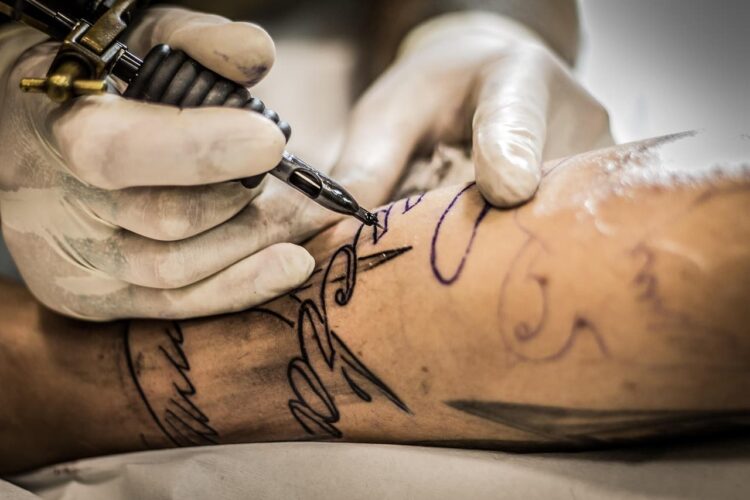
Tattoos often represent important moments in life, but as circumstances change, some people reconsider their ink. This might be due to reminders of the past, changes in personal taste, or career shifts. With several removal methods available, knowing the differences helps with good decision-making.
The advancement of removal technology has transformed what was once painful and likely to scar into something much more manageable. From traditional methods to advanced laser treatments, every approach has pros and cons linked to how each technique interacts with tattoo size, ink colours, and skin type.
For those in London looking for removal options, research is advised. The city offers many clinics with various technologies and levels of training. Knowing what each method involves helps set expectations and supports better choices.
Why People Reconsider Their Tattoos
Surveys in the UK suggest that a significant number of adults with tattoos experience some regret. As tattoos become more popular, interest in removal options has also grown.
Career concerns remain a leading reason for removing tattoos, with many patients mentioning professional worries. Although some workplaces are now relaxed about visible tattoos, certain sectors still keep strict rules.
Relationship changes prompt a notable portion of removal requests, especially with name tattoos or shared designs. Personal style shifts also lead many people to want modifications or removal.
Some reports indicate that unwanted tattoos may have an impact on mental wellbeing. Many people report reduced confidence in social or work situations. Modern laser tattoo removal technologies give more effective and comfortable options than were available before.
Traditional Removal Methods and Their Limitations
Before lasers, people turned to conventional approaches to get rid of unwanted tattoos. Each has notable drawbacks to consider.
Dermabrasion involves scraping away the upper and mid skin layers using a rapidly rotating abrasive tool. This process exposes deeper skin and disrupts its surface. The removal is not targeted at the ink only but affects all tissue in the area. This method often causes uncontrolled damage to the skin’s structure.
Laser Technology Breakdown
Laser tattoo removal delivers targeted light energy that breaks tattoo ink into particles, which the immune system then clears. Unlike earlier methods, lasers can remove ink while keeping the surrounding skin mostly intact.
Different lasers target certain ink shades. Q-switched lasers work well for black or dark blue, but struggle with some colours. Newer picosecond lasers, including PicoSure and PicoWay, target a broader range, such as resistant greens and blues.
Clinics report that several sessions are usually needed for effective fading, with gaps of several weeks between treatments. Complete removal can take more sessions, depending on tattoo details.
Pain management includes numbing creams and cooling tools. Patients often compare the feeling to a rubber band snapping the skin. Each session tends to last 10-30 minutes based on tattoo size.
Factors Affecting Laser Treatment Success
Tattoo age impacts results. Older tattoos generally respond better since the ink has started to fade already.
Location matters. Tattoos on areas with better blood supply fade faster, while thinner skin needs extra care. Ink colours behave differently. Black is easiest to treat, while some yellows and greens are more difficult.
Skin type also plays a part. Those with darker skin or existing skin conditions should seek personalised advice. They may need extra precautions to prevent skin changes.
What to Expect During the Removal Process
The process begins with a consultation and patch test. A practitioner examines the tattoo and performs a small test treatment. This observes how the skin and ink respond in that individual case. This step is important for spotting any risks and for honest advice on likely outcomes.
Treatment sessions last 10-30 minutes. The feeling is often described as a hot pinprick or rubber band snap. After treatment, the skin looks red and may swell like mild sunburn. Whitening can appear but fades in less than half an hour.
Some blistering or peeling is normal during healing. Fading doesn’t happen right away, since broken ink particles need time to leave the skin. Results develop in the weeks after each session.
For people considering treatment options, a comparison infographic displays the effectiveness, pain levels, and recovery times for different removal methods. This visual guide allows patients to learn what to expect from each approach.
Aftercare Essentials
Caring for the skin after laser treatment supports healing and helps achieve smoother results. The area should stay clean, with a light covering for the first day or two. Practitioners often recommend a specific ointment. Sun protection is very important, as treated skin is very sensitive.
Avoid high-risk activities such as swimming or sauna use for at least 48 hours after treatment. Watch for infection signs, including unusual swelling or severe blistering. Any concerns should be checked by a healthcare professional.
Most mild swelling, blisters, and redness settle down within days. Long-term marks are uncommon when aftercare advice is carefully followed.
Before your first appointment, use a pre-treatment preparation checklist to make sure you are fully ready. This includes avoiding sun exposure, certain medications, and following specific skincare instructions for the best possible results.
Making an Informed Decision
Deciding where and how to have a tattoo removed requires some important checks. Patients should ask about the laser type, expected session count, pricing, and practitioner training.
Be cautious with clinics offering low prices, unrealistic guarantees, or practitioners who cannot show evidence of safety qualifications. A patch test and clear explanation of the expected process are important before continuing.
In the UK, tattoo removal through the public health system is generally limited to specific cases, such as when a tattoo causes significant distress. Most people use private clinics for quicker access and a wider range of treatments. Those seeking official health advice can consult reputable healthcare resources.
Setting realistic expectations will help prevent disappointment. Full removal is not always possible, depending on tattoo and skin type. A trustworthy practitioner will give honest advice about possible outcomes.