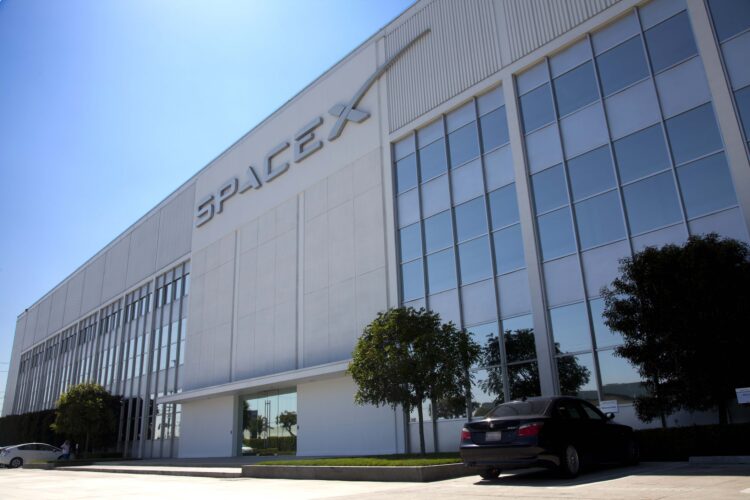
SpaceX has changed how the world thinks about space. For young people in the UK, the rockets launching from American soil feel closer than ever. Live streams, STEM clubs, and a growing British space sector are turning distant launches into local ambitions. This is what that shift looks like on the ground.

The SpaceX Effect on British Youth
When SpaceX launched its first crewed Falcon 9 mission back in 2020, something shifted. Schools reported a spike in questions about rocket engineering. YouTube videos of Starship tests got millions of views from British teenagers. The spectacle was impossible to ignore.
That curiosity did not fade. It grew.
Today, UK space industry news is dominated by stories of young people pursuing aerospace careers. University applications to aerospace engineering courses have risen steadily over recent years. Much of that momentum traces back to SpaceX making space feel accessible, not just institutional.
What Makes SpaceX Different
SpaceX communicates space exploration in a way that older agencies rarely did. Elon Musk built a public brand around the mission itself. The company livestreams launches, publishes failure data, and posts dramatic footage of booster landings.
For a teenager in Swindon or Salisbury watching on their phone, this is not a distant government programme. It feels like something happening in real time, with real stakes.
- Launches are available live, free, and without commentary barriers
- Failures are shown openly, which makes success feel earned
- The goal of Mars colonisation gives young people a long-term narrative to connect with
- Reusable rockets made the economics of space feel like a solvable problem
The UK’s Own Space Ambitions
Britain is not just watching from the sidelines. The UK has been investing seriously in its own space sector for years now.
A Growing Domestic Industry
The UK Space Agency has backed dozens of domestic projects. Companies like Orbex and Skyrora are building small launch vehicles designed to launch from Scottish spaceports. Spaceport Cornwall in Newquay made history as England’s first horizontal launch site.
For young people in the UK, there is now a genuine career pathway. These are not just jobs in America. There are roles in Bristol, Glasgow, and across the south of England.
| UK Space Sector Stat | Figure |
| Estimated UK space industry value | £17.5 billion |
| Number of space organisations in the UK | Over 1,200 |
| Projected jobs in the sector by 2030 | 50,000+ |
| GCSE students choosing physics (trend) | Rising year on year |
STEM Schools and Local Initiatives
Schools across Wiltshire and the wider south of England have introduced aerospace-themed STEM programmes. Students build model rockets, learn orbital mechanics, and code simulated mission profiles. Many teachers credit public enthusiasm for SpaceX as the spark that made these lessons land.
The UKSA also runs a schools outreach programme. It connects classrooms with scientists and engineers working in the sector. When a child sees that these professionals look like their parents or teachers, career ambitions become less abstract.
SpaceX and the Business of Space
SpaceX is not just a symbol. It is also a serious commercial enterprise, and that matters for understanding the broader picture.
The company has been valued at well over $200 billion. It dominates the global launch market through its Falcon 9 rocket. Starlink, its satellite internet service, is now active in over 100 countries including the UK.
Much of the current conversation around the spacex ipo centres on when and whether the company will go public. A listing on the NASDAQ would give everyday investors a stake in the most commercially successful private space company ever built. For now, SpaceX remains private, but the speculation alone has fuelled wider interest in the commercial space sector.
That interest has a spillover effect. When people hear about a potential SpaceX public offering, they start reading about the industry. That includes UK-based companies, the European launch market, and satellite technology. Business curiosity and public enthusiasm are feeding each other.
What Young People Are Doing About It
Interest alone does not build a space industry. But it does start careers. Across the UK, young people are turning SpaceX-fuelled enthusiasm into concrete action.
Youth Rocketry and Coding Clubs
Groups like the UK Rocketry Association run national competitions for young engineers. Teams design, build, and launch high-powered model rockets. The technical skills involved overlap directly with real aerospace engineering.
Coding clubs are also using space as a hook. Programmes like Astro Pi, run with the European Space Agency, let UK schoolchildren write code that runs on computers aboard the International Space Station.
University Pathways
Courses at institutions like Cranfield University, the University of Southampton, and Loughborough draw strong applicants interested in space systems. Cranfield in particular has deep ties with the UK defence and aerospace industry.
Employers have taken notice. Recruitment events at these universities are oversubscribed. The pipeline of talent is growing.
Technology Crossing Into Everyday Life
One thing SpaceX has done well is making space technology feel relevant to ordinary life. Starlink is the most obvious example. Farmers in rural Wiltshire use it for internet access. Emergency services have trialled satellite communications in areas with poor mobile coverage.
That crossover matters. When space technology solves a real local problem, public support for the industry grows. The same kind of shift is visible in how communities are responding to other emerging technologies. Local reporting on topics like how drone technology is being used by Wiltshire emergency services shows how quickly advanced tools move from concept to on-the-ground use.
The same trajectory is playing out in space. What looks like a US billionaire’s project today often becomes community infrastructure within a decade.
Is the Inspiration Lasting?
It is fair to ask whether enthusiasm translates into lasting change. Interest in space spiked after the Moon landings in 1969 but faded for many people. Could the same happen now?
The difference this time is commercial momentum. SpaceX is not a national programme dependent on government funding cycles. It is a business with customers, revenue, and competitors. That creates a more stable backdrop for long-term public interest.
The UK’s domestic industry adds another layer. Young people inspired by SpaceX now have British employers to work for, British launches to follow, and British companies to build. That is new. And it changes what inspiration actually leads to.
Final Thought
SpaceX did not set out to energise British teenagers. But it did. The UK space sector has grown into something real enough to receive that energy and put it to work. For a new generation of space enthusiasts, this is just the beginning.