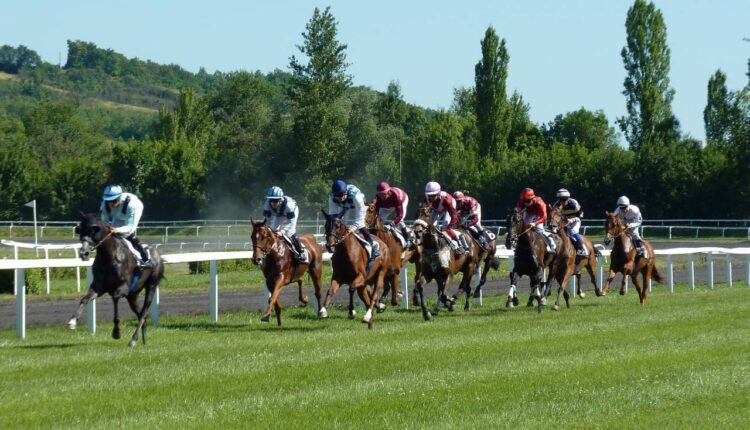
In England, horse racing is not merely a sport, but a true cultural pillar that has spanned the ages, symbolically uniting royalty and the working class in a single, passionate tradition. From the aristocratic races at Newmarket Racecourse to major events such as Royal Ascot, the allure of horse racing has always held a universal appeal, capable of engaging every social class. In the 19th century, this connection became even more evident: around 150 betting houses sprang up in London’s working-class neighbourhoods, where even those with limited means could wager small sums and experience the thrill of the race. Despite attempts by the authorities to curb the phenomenon, betting continued to thrive, moving into pubs and onto the streets, fuelled by the spread of low-cost sports newspapers that published odds and results. Horse racing betting is therefore not just entertainment, but a true pillar of British culture, with centuries-old roots that have served as a powerful social glue. Although gambling clubs are now obsolete, bookmakers continue to offer online horse racing odds every day, such as the horse racing odds on oddschecker.com, which are always up-to-date and cover the main British horse racing events. This evolution demonstrates how horse racing, more than any other sport, has managed to become intertwined with the daily lives of the British, reflecting social, economic and cultural changes over the centuries.

Historical origins behind the tradition
The history of British horse racing has its roots in ancient times: as early as around 200 AD, during Roman rule, equestrian competitions were being organised. The first documented race dates back to 1100 in Smithfield, near London. In the centuries that followed, the sport developed gradually, with official prizes introduced in the 16th century and interruptions such as the ban imposed by Cromwell in 1654. The real turning point came with Charles II, who made Newmarket the centre of racing, whilst Queen Anne founded Royal Ascot in 1711. In this context, races took place in vast open green spaces, whose natural and scenic charm helped to make the experience even more engaging for spectators and participants alike. At the same time, horse racing became one of the main areas of development for gambling in Britain. As early as the Tudor era, races were closely linked to betting, which was essential for financing the sport and attracting participants from all social classes. In the 18th century, with the establishment of the Jockey Club and the introduction of official rules, horse racing became a regulated activity, whilst the betting system contributed to its economic growth. Over time, the government made several attempts to control gambling through laws such as the Gaming Act 1738 and the Betting Act 1853, culminating in the Racecourse Betting Act 1928, which specifically regulated betting on races. Thanks to the support of the monarchy and the evolution of gambling regulations, British horse racing thus transformed into a modern, prestigious sport closely linked to the culture of betting.
The Jockey Club: a blend of elegance and adrenaline
Finally, a decisive role in the transformation of British horse racing was played by the Jockey Club, founded in 1750 by members of the English elite who were passionate about racing. Initially, the club met in a London coffeehouse, the Star and Garter on Pall Mall, before moving to Newmarket, which was destined to become the heart of national horse racing. From its very beginnings, the Jockey Club set itself the goal of regulating a sport that, until then, had often been disorganised and prone to irregularities. Its most significant contribution was the introduction of the ‘Rules of Racing’, a set of regulations designed to ensure the fairness of races and betting. These rules proved so effective that they were gradually adopted throughout Great Britain and, subsequently, internationally as well. In this way, the Jockey Club became the leading authority on horse racing, contributing to its transformation into a professional sport.
Thanks to this standardisation, British horse racing has profoundly influenced the development of modern racing, creating a regulatory model that is still applied today in the world’s major racing circuits.