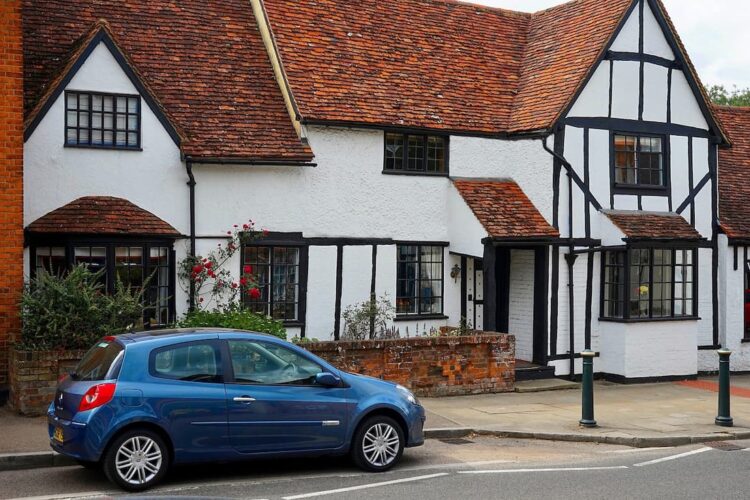
Nantwich is one of Cheshire’s most distinctive towns. Its streets are lined with timber-framed buildings that survived the Great Fire of 1583 and many that were rebuilt. The town today has 132 listed structures, of which 122 are designated as Grade II. Many people dream of owning one. The reality, though, is that living in a listed property brings responsibilities, and costs, that don’t come with a standard semi.

If you’re weighing up a purchase on Welsh Row or Hospital Street, or you already own a property within the conservation area, there’s a lot to think about. Here’s where it gets interesting, because the financial side of listed ownership often surprises people who haven’t done it before.
What “Listed” Actually Means for Your Wallet
A Grade II listing doesn’t just mean your home is old. It means any repairs, alterations or extensions must preserve the property’s special character. In practice, that translates to approved materials, traditional methods and specialist tradespeople who know how to work with lime mortar, wattle and daub, or original oak framing.
Standard builders often won’t take the work on, and those who specialise in heritage properties charge accordingly. A simple repointing job that might cost a few hundred pounds on a modern house can run into thousands on a listed building, depending on the extent and the materials specified by the local authority.
Insurance Is Different Too
One of the first things owners discover is that a standard home insurance policy won’t cut it. Providers that handle typical properties aren’t set up to cover the higher rebuild costs involved in restoring a heritage home to its original specification.
That’s why taking out specialist insurance for listed buildings is so important, it’s designed to reflect the true cost of reinstating the property using authentic materials and methods, which can be significantly higher than a conventional rebuild estimate.
That’s why it’s important to find an insurer that caters specifically to Grade II properties like those found across Nantwich’s conservation area. Getting the rebuild valuation right matters, because being underinsured on a listed property can leave you seriously exposed if something goes wrong.
Listed Building Consent: A Cost Before You Even Start
Before any work can begin on the structure or character of a listed property, you’ll need listed building consent from Cheshire East Council. This is separate from planning permission and applies even to internal changes that would be unremarkable in any other home.
The consent process takes time, sometimes months, and may require professional surveys, heritage statements or the input of a conservation officer. If you’re hoping to replace windows, alter a fireplace or change the layout of a room, factor in the cost of professional advice and the time it takes to get approval.
Doing the work without consent is a criminal offence, and the council can require you to reinstate the original at your own expense. The penalties are serious: in a Magistrates’ Court, a conviction can result in up to six months’ imprisonment and a fine of up to £20,000, while the Crown Court can impose an unlimited fine and up to two years in prison.
Day-to-Day Quirks of a Period Property
Beyond the big-ticket items, listed buildings in Nantwich come with the kind of everyday costs that aren’t always obvious when you’re viewing on a sunny afternoon. Heating an older, draughty property costs more. Solid walls can’t be insulated in the conventional way without affecting the building’s character, so energy bills tend to be higher than in a modern home of comparable size.
Maintenance also needs to be more proactive. Timber frames require regular inspection, and moisture is a constant concern in buildings that predate damp-proof courses. Dealing with problems early is far cheaper than dealing with structural deterioration once it’s taken hold. Some common ongoing costs to be aware of include:
- Annual or biennial inspection by a specialist surveyor
- Specialist cleaning and treatment of exposed timbers
- Lime render or pointing repairs after harsh winters
- Approved window maintenance or replacement using traditional materials
- Higher heating costs due to limited insulation options
The Bottom Line
Owning a listed building in Nantwich is genuinely rewarding. You’re living in part of a townscape that stretches back centuries, and the character of these properties is hard to replicate. But the costs are real, and it pays to go in with your eyes open.
Do your due diligence before you buy. Commission a full building survey from a surveyor with heritage experience, speak to the local conservation officer, and make sure your insurance reflects what the property would actually cost to reinstate. With the right preparation, listed ownership doesn’t have to be a financial shock, it’s something you can plan for sensibly.