Safety does not happen by accident. Whether a team runs a busy playground, a casino floor, or a youth soccer league, clear steps help people stay out of danger. Many organizers begin by looking at real-world examples. Handy models appear on sites such as casinoly.ie, stories fill the pages of wazamba casino, and checklists are broken down line by line at https://10betcasino.ie/. These resources show a simple truth: written lists turn big worries into bite-size tasks. When staff can see every rule in front of them, they act faster and argue less. A thoughtful checklist guides what to pack in a first-aid kit, how to handle a spill, or when to power down equipment. By walking through each item before problems strike, groups cut risk and build trust. The next sections explain why checklists work, how to build them, and ways to keep them fresh so safe play becomes habit.

Why Checklists Matter in High-Risk Settings
Airline crews, hospital nurses and playground monitors share more than busy schedules; they all manage events where one mistake can cause harm. Research from many fields shows that written prompts cut error rates by up to 50 percent. A checklist acts like external memory. It holds details that tired minds might miss, such as checking seat belts, locking medicine cabinets, or turning off a power switch. Because the list is visible to the entire team, it also creates shared accountability. Everyone can point to the same page and know exactly what comes next. Clear roles reduce confusion, and time-stamped duties prevent last-minute scrambles. In high-risk spaces, speed often matters as much as accuracy, and a good list protects both. Even clubs with a handful of volunteers find that printed steps give newcomers confidence right away. When risk drops, people relax, enjoy the event, and focus on fun rather than fear.
Building an Effective Emergency Protocol Checklist
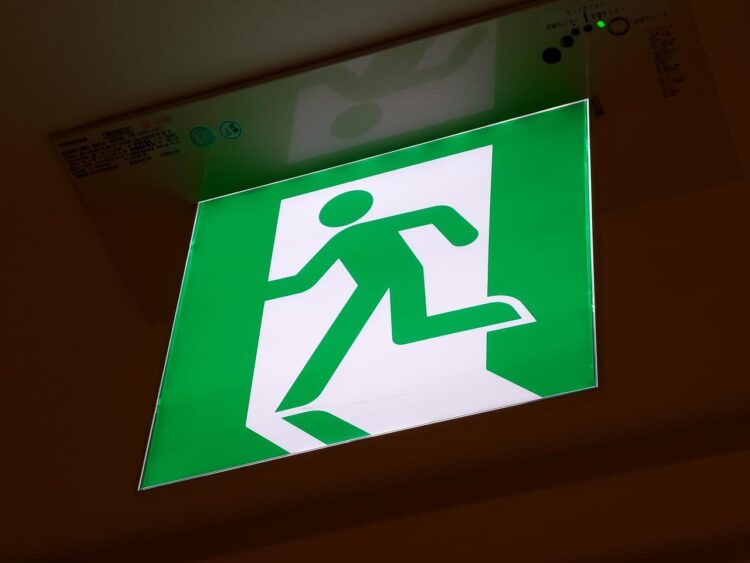
Creating a checklist starts with naming dangers a site might face. Fire, medical crises, weather threats, and technical failures each deserve their own quick-action line. Planners then break every danger into three stages: prepare, respond, and restore. Under “prepare,” the list may say, “Test alarm batteries weekly” or “Label emergency exits.” The “respond” stage holds time-critical moves such as “Call emergency services” or “Stop electrical flow at main switch.” Finally, “restore” covers cleanup and reporting steps that set the scene back to normal. Short, direct verbs keep every item clear. Each line should begin with an action word and end with a measurable goal, like “Completed log sheet on clip board.” Color coding or simple icons help the team scan the page fast. Once the draft is ready, trainers run a drill to catch missing steps. Feedback loops turn the draft into a tool that stands up when stress hits.
Daily Safety Routines for Low-Stress Risk Reduction
Not every danger needs flashing lights and sirens; many risks hide in daily habits. A morning walk-through can spot loose cords, wet floors, or broken playground chains before children arrive. Putting these small checks on a daily list means they get done. Workers can tick off tasks such as “Inspect exit lights,” “Refill hand-sanitizer stations,” and “Lock unattended storage rooms.” The routine should be short enough to finish in ten minutes but detailed enough to show real care. Using a clipboard or a basic phone app captures a time stamp, which proves that the steps happened. When supervisors review the record during weekly meetings, they can praise strong habits or fix weak ones right away. Over time, these quiet wins add up. The number of incidents falls, insurance costs stay low, and guests feel safe without even noticing why. In short, daily routines build a sturdy wall against slow-burn risks.
Teaching Teams to Use Checklists Consistently
A good checklist is useful only when everyone follows it. Training should start on day one of employment or volunteer service. Experienced mentors can walk new members through each line, explaining why it matters. Role-play drills help the team link words on paper to real moves on the floor. Some groups post laminated copies at eye level in key areas, while others load the list into a shared phone app to track taps in real time. Positive reinforcement keeps momentum high. Small rewards, like public thanks or a snack coupon, show that leaders notice good habits. When mistakes happen, supervisors should treat the list as a learning map, not a blame chart. They can ask, “Which line was skipped, and how do we fix the gap?” That question points back to the process instead of the person, building a culture of growth. Over weeks, practice turns checklists into muscle memory.
Reviewing and Updating Checklists Over Time
Risks change, and checklists must grow with them. Weather shifts, new equipment, or updates to local law can make an old list outdated overnight. A review meeting keeps the document alive. Teams should bring incident logs and research to the table. Each item on the checklist gets a score: keep, adjust, or remove. Edits should stay clear; crossing out jargon and adding plain words keeps the reading level low for future staff. After changes, leaders need to redistribute the list in both print and digital form. A short refresher drill cements the updates in practice. Tracking data before and after each revision tells whether the tweaks work. If accidents or near misses drop, the new wording stands; if problems linger, more edits follow. By cycling through review, action, and measurement, groups build a robust safety net that never frays. Continuous improvement turns safer play from a project into a promise.