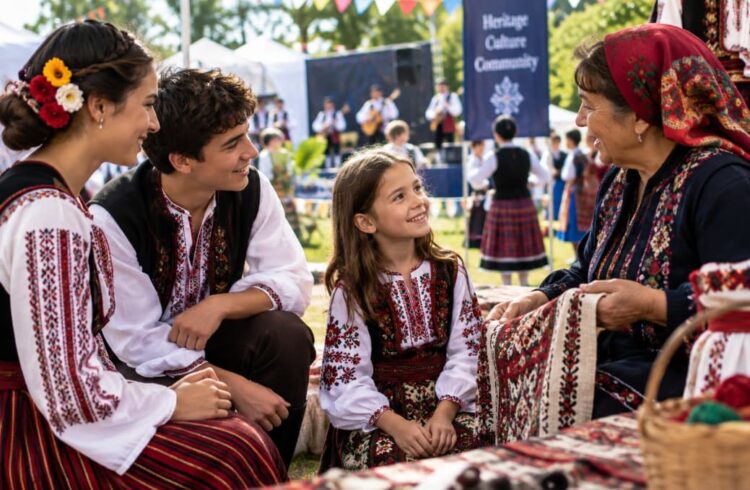
In recent years, community events have played a big role in bringing traditional clothing back into the spotlight. It allows people to discuss and showcase traditional outfits at local events. People also discover fresh ways to wear classic garments. Younger generations mix heritage styles with modern fashion. Families pass down clothing traditions to children during community events. Local gatherings also support independent craftspeople, celebrate cultural identity, and make traditional dress relevant in modern life.

Traditional Clothing Is Making a Comeback
Family events, religious holidays, and local customs always highlight traditional dress. Likewise, public gatherings provide classic outfits with a much wider audience today.
Cultural festivals merge classic dress with live folk music, regional food, and oral stories. School heritage events show kids global traditions through practical activities.
These shared experiences give heritage clothing a meaningful context. You see how garments fit and flow in real life. Spectators learn the deeper stories behind specific patterns and woven details.
Why Community Events Matter?
Local gatherings offer three major benefits for heritage clothing:
- Greater visibility brings classic garments into public spaces outside private family homes.
- Direct participation gives you a natural reason to wear traditional dress.
- Open conversation helps people discuss the history and meaning behind different regional styles.
Heritage dress stays vibrant inside active communities. Outfits do not sit forgotten in museum cabinets or old photo albums.
Community Events Make Traditional Dress More Visible
The visual impact grows stronger when many people wear traditional dress together.
You might appreciate traditional dress but rarely see it during standard workweeks. Community gatherings change that dynamic right away. Event guests encounter detailed embroidery, unique textiles, rich patterns, and classic accessories throughout the day.
Garments in social settings spark natural curiosity and friendly chats:
- Where does this specific outfit originate from?
- What does that particular embroidered symbol represent?
- Which special occasions call for this outfit?
- How do artisans weave this traditional fabric?
Detailed answers give every single outfit a personal narrative.
The visual impact grows stronger when many people wear traditional dress together. The clothing creates a rich atmosphere across the venue. Attendees compare regional variations, share family customs, and discover links between different cultures.
Public events give experienced community members a welcoming space to share knowledge. Friendly exchange builds genuine cultural respect without turning traditional dress into a temporary trend.
Young People Are Bringing New Ideas to Traditional Clothing
Young people do not need to copy historic outfits line for line.
Younger generations bring personal taste to traditional dress. You can pair classic garments with modern trainers and stylish leather jackets. Other individuals choose traditional fabrics and heritage embroidery cuts for casual modern outfits.
Community gatherings offer a welcoming space for creative freedom. You honour family history while showing personal fashion sense.
Tradition Meets Modern Style
Modern fashion adaptations include several clever approaches:
- Traditional fabrics tailored into crisp modern jackets
- Classic embroidery added to modern shirts
- Heritage garments styled with everyday casual accessories
- Cultural patterns printed onto relaxed everyday wear
- Functional designs inspired by classic historic clothing
Traditional clothing can also become more practical for modern lifestyles. Utility Kilt UK combines the familiar pleated design of a traditional kilt with useful features such as sturdy pockets for everyday wear. This approach shows how people can keep recognisable cultural elements while adapting traditional dress to modern routines.
You embrace historic fashion without stepping back in time completely. You keep recognisable cultural markers and adapt garments to daily routines.
Festivals Make Traditional Clothing Part of the Experience
Traditional dress becomes far easier to appreciate alongside other cultural elements.
Festivals combine traditional clothing with live folk music, energetic dance performances and craft stalls. Each element adds valuable background to the next.
Seeing a traditional outfit during a stage performance helps you understand garment movement. Live craft demonstrations show how artisans weave raw fabrics and stitch intricate patterns. Conversations with elders explain why specific outfits remain important to local families.
Lively interactive events deliver a far richer experience than static museum displays.
Passing Traditional Clothing to the Next Generation
Young people connect with cultural traditions far more quickly through direct involvement.
Schools, community centres, and cultural groups introduce children to classic dress. Local organisations host practical workshops, lively performances, and colourful festival days.
Special occasions give children a great chance to wear heritage pieces. Just select a waistcoat for an event or family celebration. Indeed, a boys waistcoat adds a classic touch to a young boy’s outfit and introduces him to traditional formalwear.
Proper framing remains crucial here. Traditional dress must never feel like a simple costume for a single day. Educators explain underlying history, raw materials, classic patterns, and authentic origins of each garment.
Older family members play a vital role in this learning process. Grandparents share how artisans made garments decades ago, when people wore specific pieces, and how styles evolved over time.
Well-structured cultural activities help children achieve several practical goals:
- Inspect historic garments up close
- Listen to genuine family stories from community elders
- Learn basic facts about handloom weaving and embroidery
- Understand why certain outfits belong to specific celebrations
- Join in local cultural events with confidence
Practical moments build strong personal links to the people and heritage behind classic clothing.
Traditional Dress Helps Communities Stay Connected
Local events offer deep personal comfort to families who live far away. You preserve a vital bond with your culture whenever you choose classic dress for weddings, religious holidays, annual festivals, and family reunions.
Parents introduce children to garments from older generations. Therefore, you build strong bonds across age groups through shared customs.
A traditional outfit holds treasured memories of family history, regional identity, and major life milestones. Public events let families share memories with the wider community.
Cultural links help young people who navigate multiple cultural influences. You embrace family traditions with pride and develop a unique personal identity.
Local events create open, friendly settings where different cultural influences thrive together.
Supporting Traditional Crafts and Local Makers
The resurgence of traditional dress highlights immense skill behind every handmade garment.
Classic clothing relies on several master techniques:
- Embroidery
- Weaving
- Hand printing
- Dyeing
- Tailoring
- Decorative stitching
- Beadwork
Artisans spend years perfecting these skills before passing knowledge to apprentices.
Community events offer a great opportunity to demonstrate work in person. Fashion showcases feature local tailors. Cultural festivals host live textile workshops.
Public exposure helps you appreciate why handmade traditional clothing carries deep value.
Social Media Is Spreading Traditional Styles
The impact of a local community event continues long after stalls pack away.
Attendees capture photos, film short video clips, and share experiences online. A traditional outfit worn at a small town gathering reaches thousands of viewers online within hours.
Digital journey follows a straightforward sequence:
Community event → traditional outfit → photos and videos → social sharing → wider visibility → new interest
Social platforms offer endless styling inspiration. You discover classic garments styled in fresh ways. Visual posts spark interest in underlying fabrics, patterns, and history.
Visual platforms suit heritage clothing exceptionally well. Rich embroidery, vibrant dyes, and unique textures stand out brilliantly on screen.
From One Event to a Wider Audience
A single local gathering builds a lasting digital footprint.
Viewers share photos with distant relatives, discuss specific patterns online, and search for similar styles for personal wardrobes. Friendly online interactions encourage even more people to attend future gatherings.
Social media does not replace real-world participation. Digital tools simply extend the reach of genuine community experiences to a global audience.
Traditional Clothing Meets Modern Fashion
Flexibility stays at the core of dynamic modern fashion. Traditional clothing never stays frozen in time. Daily routines change constantly. Historic garments naturally evolve to suit busy schedules and individual tastes. Make pair a classic embroidered top with tailored trousers for a fresh everyday look.
Another person chooses heritage fabrics for a minimalist contemporary jacket. Tailors alter a classic garment to make the item comfortable for daily wear.
Practical tweaks help traditional dress remain useful and stylish without losing cultural heart.
Preserving Tradition Through Change
A cultural tradition stays completely recognisable even as practical details evolve.
Modern adaptations feature several sensible elements:
- Fresh cuts and contemporary silhouettes
- Lightweight, easy-care fabrics
- Minimal modern accessories
- Practical hidden pockets and durable fastenings
- New colour combinations for daily wear
- Casual styling options for routine workdays
Flexibility gives you total freedom in how you wear historic garments. You decide how much traditional styling you want to include. Heritage dress does not require a strict all-or-nothing choice.
What Community Events Mean for the Future
Traditional clothing thrives when you see real value in wearing, understanding, and sharing historic styles.
Community events support this movement in several practical ways. Local projects unite different generations and introduce the public to new cultures. It offers young people room for creative styling and artisans with direct commercial exposure.
These gatherings create wonderful, memorable moments for everyone involved.
A child wearing a family garment at a festival connects. It built happy memories of parents and friends. A festival guest discovering an unfamiliar textile gains fresh appreciation for international history. A young designer studying old patterns finds immediate inspiration for future fashion lines.
Each positive experience keeps traditional dress at the heart of living modern culture.
Conclusion
The return of traditional dress covers much more than temporary fashion trends. Community events create welcoming physical spaces where you experience heritage firsthand.
Festivals, cultural celebrations, school activities, and local projects give you brilliant opportunities to wear traditional dress. You understand historic origins and share cultural meaning. Younger generations adapt familiar styles to suit modern tastes. Older generations pass down stories and skills that give garments true significance.
The future of traditional clothing relies on keeping people connected to ideas, skills, and personal stories behind the fabric.