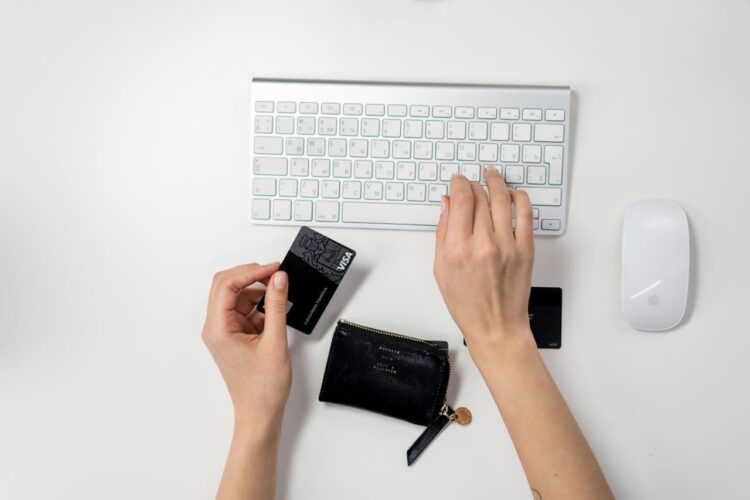
Generation Z, individuals born between the mid-1990s and the early 2010s, has also become known as the digital wallet generation. That’s because the vast majority of this demographic prefer to use contactless cards, mobile apps and other forms of digital wallets to make payments, a behaviour which sets them apart from older generations. This generational shift towards digital payments isn’t just about convenience; it’s reshaping cultural attitudes towards money and could have significant knock-on effects for businesses all over the world.
The Rise of Digital Wallets
The first ever online payment was made in 1994, as a user bought a CD from an online store using their Mastercard. Since then, online payments have gathered momentum, and the world of e-commerce has grown too. , allowing users to safely and conveniently make payments online. Since it first launched in 1998, PayPal has grown to become one of the most important financial services of the modern world.
One of the biggest factors in the growth of digital wallets has been the proliferation of smartphones. Across the world, it’s estimated that approximately 5.37 billion people own a smartphone, meaning more than half of the world’s population. As smartphones became a key part of everyday life, digital wallets have become more accessible and more important for online payments.
Today, consumers are able to choose between a variety of convenient and secure payment services such as Apple Pay, Google Pay, Venmo, Cash App and PayPal. Aside from being used for online payments, these services are now being increasingly utilised for in-person payments too. Younger demographics now primarily use either mobile payment apps or contactless cards to pay for goods and services.
Why Digital Wallets Work for Young Adults
Recent data has shown that 79% of Gen Z shoppers regularly use digital wallets while making payments, compared to just 26% of the senior demographic. The seamless nature of digital wallets, presenting increased convenience, is one of the biggest factors for their growth in popularity. Users can make instant payments without needing to find the correct card or count out physical money.
What’s more, users can store a variety of different payment details all in one app. Being able to access multiple payment methods and bank accounts within one app is a particularly useful feature of digital wallets.
In addition, digital wallets are highly secure. This makes them ideal for online payments, especially industries where trust is paramount. All brands in the online casino space, from the oldest names like Bet365 to new entrants like MegawaysCasino, have been quick to adopt digital wallets, as users don’t have to enter their full banking details to make purchases and play real money games.
When making payments with digital wallets, users can also make use of helpful features such as splitting a bill between other users. Not only that, but many wallets integrate well with apps and other services such as ridesharing and food delivery services, which are used frequently by Gen Z.
How Attitudes Towards Money Are Changing
The use of digital wallets is pushing the transition to a cashless society, with countries like Sweden and China now seeing the majority of transactions conducted electronically. Although this means increased efficiency, better security and reduced costs, it’s also changing how we see money.
Particularly amongst younger demographics, money is losing its physical feel, becoming an abstract concept which feels less real somehow. There’s a potential for this to affect how people spend and save money, feeling less attachment to their money overall.
Popular online services like Spotify and Netflix have also helped lead to a rise in subscription culture. A large percentage of Gen Z use subscription services, with recurring charges happening automatically each month. This process creates a disconnect between the user and the charge, making it harder to cancel, even if the service isn’t being used.
In addition, a growing number of services such as online gaming platforms are now gamifying payments, offering reward points to increase loyalty. Some digital wallets even offer rewards such as cashback and help fuel consumption by awarding payment streaks.
Digital Wallets and Financial Inclusion
Digital wallets are also helping to increase financial inclusion for people around the world. Underbanked populations now have access to financial services via their mobile wallets, while cross-border payments have become cheaper and faster. This is helping to ensure that economic growth can benefit everyone, not just those who are already well off.
The use of digital wallets has meant that businesses have had to adapt and accept new forms of payments. Consumers are increasingly choosing digital payments as they’re faster, more convenient and more secure than other forms of payment. While physical money is still in use, its quickly falling out of favour among younger demographics and may soon become a thing of the past.