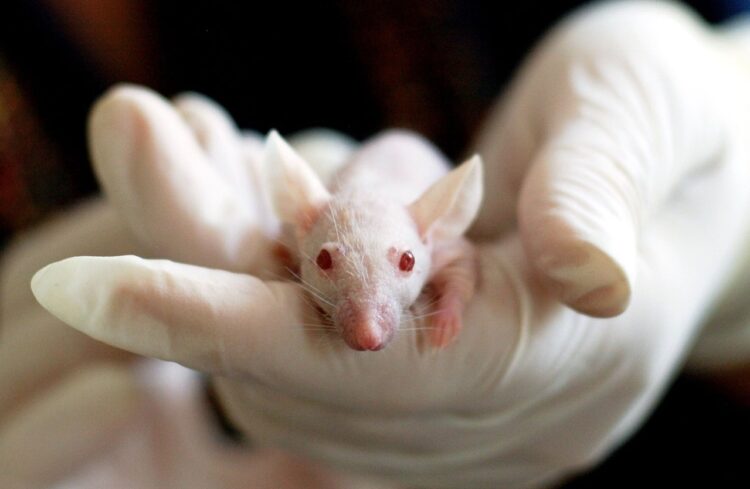
The RSPCA has cautiously welcomed the Government’s new national strategy to replace the use of animals in scientific research, calling it a significant step forward but warning that urgent and ambitious action is now needed.

The plan, announced earlier this month by Science Minister Lord Vallance, sets out commitments intended to speed up the development and uptake of non-animal testing methods. It includes new funding, regulatory changes and a push to accelerate technologies such as organs-on-chips, computer modelling and 3D bioprinted tissues.
The Government says the roadmap will support a safe transition away from animal experiments in areas where proven alternatives exist. Ministers have pledged to end several animal tests by the end of 2026, including those assessing skin and eye irritation and skin sensitisation. Further reductions are planned by 2027 and 2030.
Lord Vallance said: “Nobody in our country of animal lovers wants to see suffering and our plan will support work to end animal testing wherever possible and roll out alternatives as soon as it is safe and effective to do so.
“This is a roadmap which will ensure government, businesses and animal welfare groups can work together to find alternatives to animal testing faster and more effectively.”
The RSPCA says the strategy contains initiatives the charity has long called for, including increased investment in people and infrastructure to support non-animal science. However, it warned that the UK risks falling behind if ministers fail to deliver the commitments quickly and provide the necessary resources.
Barney Reed, Senior Science and Policy Manager for the RSPCA’s Animals in Science Department, said: “This strategy marks a significant step forward in ending the use of animals in science. We know the UK public wants to see action and supports this; with 77% of UK adults agreeing that the UK Government should commit to phasing out the use of animals in scientific research and testing.”
He said advances in technology were already changing modern science.
Barney added: “These are exciting times for innovation in the life sciences, with opportunities for UK scientists to exploit new approaches that don’t cause harm to animals. Every day, we are seeing more breakthroughs with technologies like organs-on-chips, organoids, and computer modelling. These can enable better science to be done, without using and harming animals.”
The charity welcomed the Government’s acknowledgment that the UK is at a “tipping point” in the shift towards alternative methods. But it stressed that the success of the strategy depends on strong delivery and continued funding.
Barney said: “It is vital that the UK grasps this opportunity and builds on this foundation. Governments and industry across an increasing number of countries around the world are recognising the significant scientific, economic and ethical benefits offered by these new innovations and are rushing to position themselves as leaders. The UK cannot afford to fall behind.”
The RSPCA also highlighted the important role of the National Centre for the 3Rs, which works with national and international partners to replace, refine and reduce the use of animals in research. The charity says the centre will need the right support to help drive the changes required.
The RSPCA says it will continue working with government, industry and academia to help ensure the plan results in meaningful, lasting reductions in animal testing.