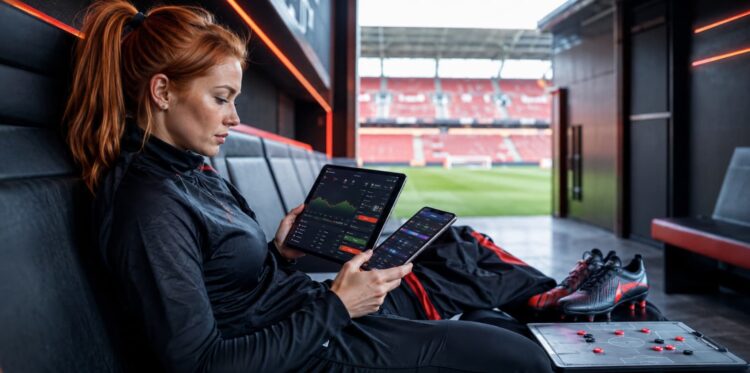
Betting sites are replacing rigid homepages with blocks that can move during a session. Odds, statistics, live updates, and the bet slip may appear in a different order for football, tennis, or racing. The same modular approach can also support account sections connected with the affiliate 1xbet programme without affecting the main betting screen. The result is a page arranged around the user’s current task.

One screen no longer fits every session
A football bettor checking pre-match markets needs a different screen than someone following live tennis points or racing prices. Fixed navigation pushes all three journeys through the same menus. Modular design can show blocks for the sport, device, and match stage.
Product material published in 2026 points toward adaptive layouts, quicker bet placement, mobile-first screens, and controlled personalisation. The aim is to reduce the distance between match information and an understood wager.
Each widget carries one betting task
A widget is a self-contained part of the page that can be placed, removed, resized, or updated separately. The component may appear on a homepage, event page, or article.
| Widget | Betting purpose | Main design test |
| Odds panel | Shows markets | Prices must remain easy to compare |
| Statistics card | Adds form or live data | Numbers need clear labels |
| Bet slip | Holds selections and stakes | Rules and returns must stay visible |
| Live tracker | Follows match events | Delays must be identified |
| Account control | Shows limits and session tools | Safety options should remain easy to reach |
Reusable components let operators update one tool without disturbing the page. Product suppliers now promote API, iFrame, and component-based integration for this reason.
Mobile screens are pushing the shift
A desktop page can hold several columns, while a phone cannot. Modular systems can move the live score upward, collapse secondary statistics, and keep the bet slip close. The order may change after kickoff or the user switches sports.
Useful mobile blocks may include:
- favourite competitions
- current live events
- recently viewed markets
- open and settled bets
- cash-out status
- deposit and time limits
Too many cards create noise, especially when odds move quickly. Flexibility works best when secondary material can disappear without hiding settlement terms or account controls.
Personalisation is becoming more selective
Platforms are trying to prioritise sports, leagues, and market types that a user visits without filling the page with unrelated suggestions. A football supporter may see the next club fixture earlier, while another bettor may receive quicker access to tennis totals.
That convenience needs limits. Repeated prompts, oversized promotions, and constant live alerts can encourage rushed betting. Useful personalisation remembers preferences without turning every visit into pressure to place another wager.
Operators gain more control behind the screen
Modular front ends change how betting teams work. A statistics card can be tested on one sport, a payment notice can appear only in one market, and a responsible-play message can stay beside high-frequency live betting.
This matters during major tournaments, when traffic and market priorities change quickly. Operators can move key fixtures forward, add tournament navigation, or reduce less relevant blocks without replacing the full product.
Clear rules still matter most
A movable interface cannot fix weak information. Odds need timestamps, live data needs delay notices, and every selection must show the event, market, line, stake, and settlement basis. Casino widgets should remain separate from sportsbook analysis so random game results do not affect sports staking decisions.
Responsible betting tools belong inside the main journey, not behind several menus. Deposit limits, session reminders, and account history should remain visible even when the page rearranges itself. Betting should stay entertainment, with fixed budgets and no attempt to chase losses.
Modular widgets are becoming the building blocks of betting platforms because each screen can respond to a specific task. The strongest interfaces will use that freedom to make betting decisions clearer rather than busier.