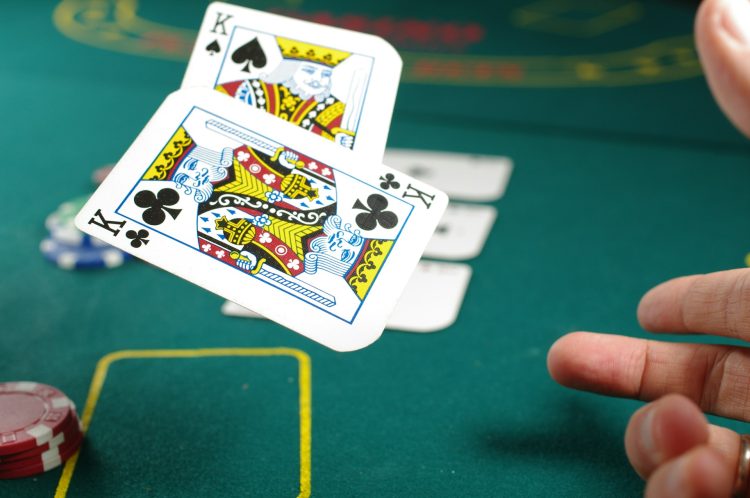
Whether you’re a casual player or deeply invested in the world of poker, the game offers more than just entertainment. Poker is well known for sharpening the mind and testing players in intense scenarios. The psychological demands at the table reveal insights into focus, self-control, and complex decision-making: skills that extend far beyond the casino floor. This article explores how poker uniquely showcases the power of composure and calculated thought under pressure.

The crucial role of focus at the poker table
In a game of poker, sustaining concentration can be the difference between winning a big hand or making costly mistakes. Each round requires complete attention, not only to your own cards but also to the behavior and betting patterns of other players. Distractions are everywhere, from table banter to background noise, making it essential to tune into relevant cues. Players who maintain their focus can gather valuable information, such as slight hesitations or changes in betting habits, which might indicate the strength of an opponent’s hand.
Long poker sessions can mentally drain even experienced participants. Remaining attentive for hours challenges cognitive stamina, but the ability to concentrate distinguishes skilled players from casual hobbyists. Developing this focus means noticing subtle details, such as how often someone bluffs or checks. Staying mentally present helps players adapt strategies in real time. Mastering this skill is partly what gives professional players an edge.
Maintaining emotional control under pressure
Emotions often run high during pivotal moments in poker. It is common for players to feel elation after winning a big pot or frustration when luck turns against them. However, those who let emotions dictate their decisions frequently suffer from what’s known as “tilt”, an emotional state where frustration leads to irrational gameplay. Seasoned players understand the dangers of tilt and work hard to manage their reactions. Practicing self-control keeps emotions in check, allowing for rational decisions even after a loss.
This discipline extends beyond avoiding reckless bets. Poker requires an even temperament to remain unpredictable. Demonstrating emotional control makes it harder for others to read your intentions, preserving your strategic advantage. Tools such as controlled breathing, mental routines, and visualization help players reset psychologically, especially after high-stakes losses or big wins. Emotional regulation at the table is a foundational part of success, fostering resilience in both poker and everyday life.
Decision-making when the stakes are high
Every hand in poker presents a fresh decision, frequently under time constraints and with incomplete information. Players must constantly assess risk, weighing the odds of their hand against potential moves from opponents. High-stakes environments amplify these challenges, requiring quick thinking without certainty. Successful poker players analyze the possible outcomes, anticipate reactions from others, and adjust their tactics as new cards are revealed.
The process of decision-making in poker involves understanding probabilities, recognizing patterns, and sometimes relying on intuition honed through experience. Players often need to commit or fold with imperfect knowledge, highlighting the importance of trust in their analysis. Training in these high-pressure moments helps develop sharper instincts and rational judgement, which transfers to situations off the table, such as business negotiations or emergency response.
The broader impact of poker skills
The abilities honed at the poker table have relevance beyond the game itself. The focus, control, and decision-making required to excel under pressure equip individuals to perform better in demanding professional or personal environments. Poker teaches patience, resilience, and the art of reading people, all while coping with stress in real time. These skills can improve workplace performance, enhance relationships, and support sound choices in everyday life.
Learning from poker provides valuable lessons in how to thrive under intense pressure. Training your mind in this way cultivates attributes that are sought after in many fields. By observing or participating in games, individuals can practice thinking strategically and maintaining composure, whatever the stakes may be.