Wiltshire does not always shout about its connection to film and television, yet it has quietly played a part in some of the most recognisable productions of the past few decades. Its value lies in the way it looks untouched. Villages remain free from modern clutter, while historic buildings have been carefully preserved. This makes the county incredibly useful for filmmakers and directors who want to create authenticity without needing any heavy editing or CGI. Whether it is a global franchise or a popular British drama, Wiltshire has offered a variety of settings that are realistic and timeless. The popularity of these productions also highlights the wider entertainment landscape, where audiences engage with everything from streaming platforms and video games to activities such as lotto betting. So with that being said, today, we will be taking a look at the most notable examples of when Wiltshire has been seen by millions in film and TV.

Lacock, Harry Potter Film Series
Lacock is often described as one of the most complete historic villages in England, and that is exactly why it was chosen for the Harry Potter films. Its narrow streets and old stone buildings required very little alteration, which saved both time and cost during production. Filming took place in the early 2000s, particularly for Harry Potter and the Philosopher’s Stone and Chamber of Secrets. Parts of the village were used for scenes such as Harry’s childhood home, while the wider setting helped create a believable magical world.
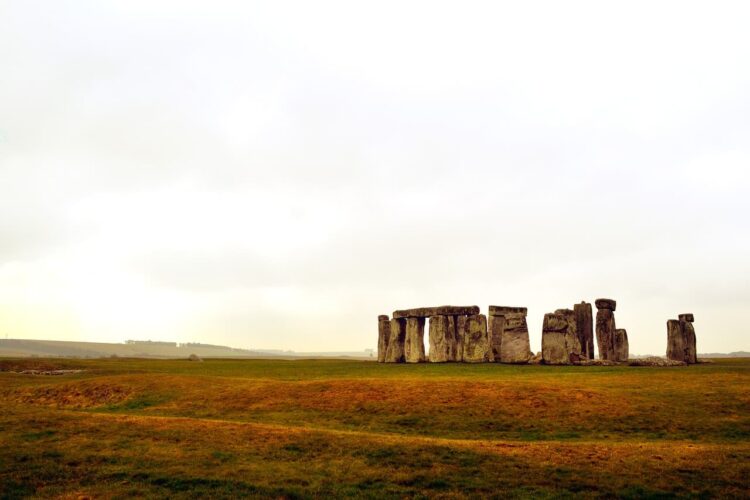
Stonehenge, Thor: The Dark World
Stonehenge has appeared in many different productions; however, in Thor: The Dark World, it was brought to possibly its biggest audience yet in 2013. The site has already gained global recognition from filmmakers who often use it as a symbol of muster and power, making it a recognisable location for many. Its open setting has also allowed for large-scale scenes to take place around it, which is ideal for larger scale production. Alongside major films, Stonehenge regularly features in documentaries, where it is used to explore prehistoric Britain and ongoing archaeological research.
Castle Combe, War Horse
Castle Combe has long been seen as one of the prettiest villages in the country, and its appearance in War Horse reflects that reputation. Steven Spielberg chose the location as it could convincingly represent rural England in the 20th century without the need for heavy editing. Filming took place around 2010, with the village being a massive part of the opening scenes, meaning it had an important role to play. Its unchanged layout and lack of any modernisation meant very little needed to be hidden or altered, allowing for the story to be believable.
Salisbury Plain, 1917
Salisbury Plain offered something quite different. The wide open land is what made it a suitable location for recreating the battlefields of the First World War in 1917. Director Sam Mendes needed a space where he could build a large trench system to film a long continuous shot without any interruptions, and this area provided both scale and isolation, which helped to achieve the film’s immersive style. Production took place in 2018, with extensive sets constructed directly on the landscape to match historical conditions as closely as possible.
Lacock Abbey, Pride and Prejudice
Lacock Abbey has been used in a wide range of period dramas, though its role in the 1995 adaptation of Pride and Prejudice remains one of the most recognised. The building dates back to the thirteenth century, and its cloisters and interiors provide a natural setting for historical storytelling. Productions favour it because it already looks authentic, removing the need for artificial sets. Over the years, it has also appeared in other dramas, reinforcing its reputation as a reliable and visually striking filming location.
Lacock – Doctor Who
Lacock has also appeared in Doctor Who, one of the biggest TV series of all time, showcasing that Wiltshire can be used in a number of different settings. The village has been used in episodes where a historic background setting was required, which is often why it is used in media. Its flexibility is also a part of its appeal, being able to present different time periods with minimal change needed, as well as being able to present a scene that can correspond to an alien-themed fantasy style. Producers return to locations like this because they offer consistency and atmosphere, both of which are essential when filming for a long-running series.
Castle Combe, Stardust
In Starburst Castle, Castle Combe was transformed into a fictional village that was set in a magical world. The film required a setting that was both realistic and slightly different from everyday life, so the preserved appearance was again perfect for this style. Filming took place around the mid-2000s, only requiring a few minor additions to create the fantasy atmosphere. Its quiet streets and historic buildings allowed the story to unfold without distraction, giving the impression of a place untouched by time.