A fire watch service is a specialised safety protocol where trained personnel actively monitor premises for fire hazards, especially when normal detection systems are impaired. This service plays a crucial role in preventing fire incidents during periods of increased risk, such as building works. Understanding what a fire watch service involves helps ensure safety and compliance during vulnerable times.

When routine fire safety measures are disabled or building works increase the risk of fire, a fire watch service is often required to maintain safety standards. Fire watch teams are responsible for regular patrols, visually inspecting all high-risk areas and documenting their observations. Their presence becomes essential in environments where ongoing construction or maintenance can compromise traditional fire protection systems. By remaining alert to emergencies and reporting hazards, fire watch professionals fill a critical gap until full fire safety is restored.
Why fire watch services are essential during heightened risk
Fire watch services address periods when fire alarms, sprinklers, or other systems are shut down or interrupted, often during construction, renovation, or maintenance activities. Without these automated protections, buildings are left more vulnerable to unnoticed ignition sources or unsafe practices.
During such times, waking watch arrangements ensure continuous walks of the site, paying special attention to areas where hot works or electrical modifications occur. They are trained to spot early warning signs of fire, such as smoke, sparks, or obstructions to escape routes, which might otherwise pass unnoticed. Providing visible reassurance and real-time oversight, they swiftly escalate any risks to management or emergency responders.
Beyond system outages, fire watch services prove invaluable when occupancy levels change dramatically or when buildings house temporary high-risk activities. Facilities undergoing refurbishment may introduce flammable materials, welding equipment, or temporary power supplies that significantly elevate fire potential. In these scenarios, relying solely on reduced or compromised detection systems creates dangerous gaps in protection. Fire watch personnel bridge this gap by providing human vigilance that adapts to changing conditions throughout each shift, ensuring that emerging risks are identified before they escalate into serious incidents.
The key roles and responsibilities in a fire watch programme
Trained fire watch staff follow a set schedule to inspect all vulnerable or high-risk zones, ensuring nothing is missed. Their patrols will frequently cover newly created risks due to works, blocked exits, or temporarily isolated detection equipment.
They are responsible for keeping accurate logs of every round, documenting unsafe conditions or corrective actions taken on the spot. If a hazard is found, such as an accumulation of flammable materials or evidence of unsafe hot works, they must intervene immediately. This documentation supports compliance with safety regulations and assists future incident investigations.
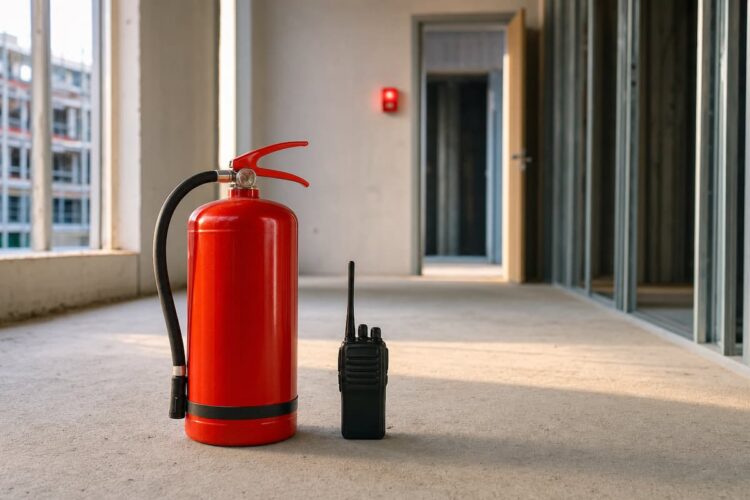
Fire watch officers also serve as vital communication links during emergencies, equipped with radios or mobile devices to instantly alert site management and emergency services. Their training extends beyond simple observation, they understand fire behaviour, evacuation procedures, and the proper use of portable fire extinguishers for initial response. Should an incident occur, waking watch protocols can help initiate evacuation procedures, guide occupants to safety, and provide critical information to arriving firefighters about the building layout and the nature of the emergency. This multifaceted role transforms fire watch personnel from passive observers into active safety guardians capable of making split-second decisions that protect lives and property.
How fire watch services integrate with overall safety management
Planning for a fire watch service starts with assessing site-specific risks. Building managers and contractors coordinate with fire watch providers to ensure the right monitoring level, which may vary depending on occupancy and activities taking place.
Integration with other safety measures guarantees a holistic approach. Fire watch professionals often support emergency drills, verify temporary fire alarms, and help maintain clear communications as works progress. Coordinating these activities with services such as security services across the South West strengthens overall site safety and ensures that all parties understand their responsibilities during transitional periods.