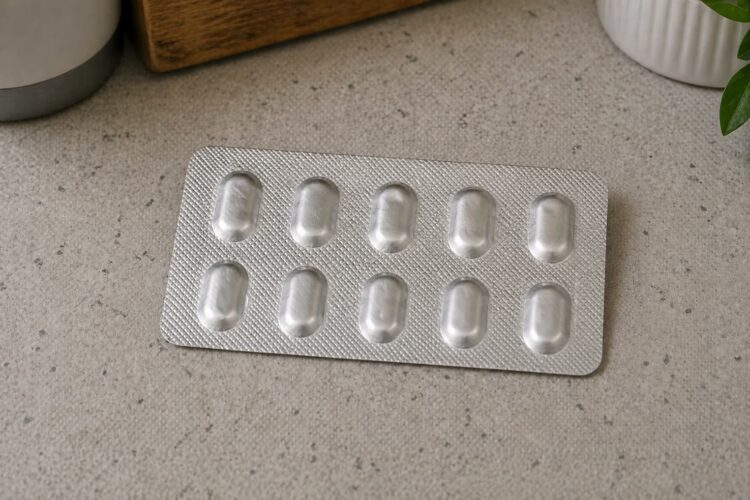
A batch of antidepressant medication has been recalled after a packaging error led to different tablets being placed in the same box.

The Medicines and Healthcare products Regulatory Agency (MHRS) has advised healthcare professionals to stop supplying the affected batch of Sertraline 100mg and return any remaining stock to their suppliers.
Amarox Limited is recalling one batch of Sertraline 100mg film-coated tablets as a precaution. The action follows a manufacturing error which resulted in two antidepressants being packaged incorrectly.
The issue came to light after a patient complaint. It was discovered that a pack of Sertraline 100mg film-coated tablets contained one blister strip of Citalopram 40mg film-coated tablets inside the sealed carton.
Sertraline and citalopram are both selective serotonin reuptake inhibitors, known as SSRIs. They are used to treat depression, anxiety disorders and related mental health conditions by increasing serotonin levels in the brain.
Both medicines are produced by the same manufacturer at the same site. The error is believed to have occurred during the secondary packaging stage, when blister strips were placed into cartons.
Dr Alison Cave, MHRA Chief Safety Officer, said: “If you have been prescribed Sertraline 100mg tablets and have received batch number V2500425, please check the carton contains the right medication. You can find the batch number and expiry date printed on the side of the outer packaging.
“If the blister strips inside the carton are labelled Citalopram 40mg, please contact your pharmacy as soon as possible. If they are labelled Sertraline 100mg, no further action is needed.”
She said: “Patients who have accidentally taken citalopram instead of – or as well as – sertraline, may experience some heightened serotonergic side effects. These can include nausea, headache, sleep changes, and mild anxiety.”
Patients who believe they may have taken Citalopram 40mg by mistake, or who are experiencing side effects, are being urged to seek medical advice immediately.
Pharmacists and other healthcare professionals involved in dispensing the medicine have been told to identify and contact any patients who may have received the affected batch. They should request that any remaining tablets are returned.
If patients are identified with the impacted product, healthcare professionals should contact the patient’s GP or the clinician responsible for their care to discuss a treatment review and whether a new prescription is needed.
Some patients may require monitoring by their doctor or another healthcare professional. This is particularly important for those aged over 65 or under 18, people with cardiac or liver conditions, or those who have been told their body processes certain medicines differently.
Any suspected adverse reactions should be reported through the MHRA Yellow Card scheme. The MHRA has reiterated that the affected batch should no longer be supplied and that all remaining stock must be returned to suppliers.