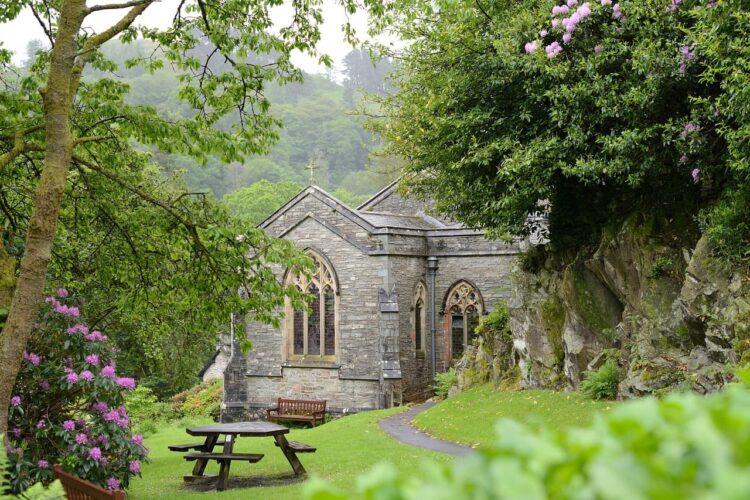
Across Europe and North America, a quiet transformation is reshaping neighborhoods. Stone facades that once hosted sermons now echo with dance music, weight racks, and coffee grinders. This shift is not random; it reflects deep changes in religious attendance, real estate economics, and how communities gather. Understanding why churches are being repurposed reveals a great deal about the priorities of modern society. The story combines faith, finance, and a growing appetite for reusing beautiful old buildings.

The Decline in Religious Attendance
The most direct cause behind these conversions is falling participation in organized religion. In many Western countries, weekly worship attendance has dropped steadily over the past several decades, leaving congregations too small to sustain large buildings. Younger generations, in particular, identify as religiously unaffiliated at record rates. As memberships shrink, the funds needed for heating, roof repairs, and insurance become impossible to raise. Eventually, many congregations vote to sell or lease their historic properties rather than watch them fall into ruin.
This decline creates a surplus of striking architectural spaces sitting empty. Rather than demolish them, owners and developers look for creative alternatives. That search often leads to secular uses that can generate a steady income and keep the structures alive.
Why Old Church Buildings Appeal to Developers
Churches were built to impress, and that ambition makes them attractive for reinvention today. High ceilings, dramatic windows, and open floor plans are exactly what many businesses want. A vaulted nave can become a soaring fitness studio, while stained-glass light adds atmosphere to a bar or event hall. Developers also value the central locations of older churches, which were traditionally placed at the heart of towns and villages. These qualities combine to make conversions financially and aesthetically appealing.
Before committing, buyers weigh several practical advantages that older religious buildings offer over new construction.
- Spacious interiors ideal for gyms, climbing walls, and open studios;
- Prime locations in established, walkable neighborhoods;
- Distinctive character that helps businesses stand out;
- Solid construction using durable stone, brick, and timber;
- Historic appeal that attracts customers seeking unique venues.
Together, these factors explain why entrepreneurs increasingly view former churches as opportunities rather than liabilities.
The Most Common New Uses for Churches
Once a church leaves religious hands, it can take on nearly any function. Fitness centers are among the most popular, since the open layout suits exercise classes and equipment. Nightclubs and music venues also thrive in these acoustically rich spaces. Beyond entertainment, many buildings become homes, offices, libraries, or restaurants. The variety reflects both local demand and the imagination of the people involved.
The table below outlines typical conversions and why each type works well in a former place of worship.
| New Use | Why It Fits |
| Gym or fitness studio | Large open floors and tall ceilings |
| Nightclub or bar | Great acoustics and dramatic ambiance |
| Residential lofts | Unique living space with historic charm |
| Bookstore or library | Quiet interiors suited to reading |
| Community center | Central location and gathering tradition |
These uses show how flexible the buildings can be while still honoring their grand original design.
Balancing Preservation With Modern Needs
Not everyone welcomes these transformations, and debates often follow. Some community members feel that turning a sacred space into a gym or club disrespects its history. Others argue that adaptive reuse is far better than demolition or decay. Preservationists frequently push for protections that keep key features, such as bell towers or original windows, intact. The result is usually a compromise that blends respect for heritage with practical function.
Legal and Zoning Challenges
Converting a church involves more than a fresh coat of paint. Local zoning laws may restrict what activities are allowed in a former religious building, especially near residential areas. Noise from a nightclub, for example, can trigger complaints and permit disputes. Developers must also navigate heritage regulations that limit structural changes. These hurdles can lengthen projects, yet they help ensure that valuable buildings are handled responsibly.
Community Reactions and Emotional Ties
Beyond legal matters, emotions play a powerful role in these projects. Longtime residents may have been baptized, married, or memorialized within the walls. Seeing that space become a bar can feel like a loss, even when the change saves the building. Successful developers often engage neighbors early, hosting meetings and preserving meaningful details. When communities feel heard, conversions tend to gain acceptance and even local pride.
The Rise of Entertainment and Leisure Culture
The demand driving many conversions reflects a broader cultural shift toward leisure and wellness. People now spend more on fitness memberships, dining out, and social experiences than previous generations did. Spaces that once served spiritual needs increasingly serve recreational ones. This trend mirrors the growth of digital entertainment as well, from streaming platforms to online gaming platforms like FS Casino, offering slots, live dealer games, and more. As lifestyles change, the buildings around us adapt to match new habits and values.
What These Transformations Tell Us
The movement to turn churches into gyms and clubs is ultimately a story about change. Declining attendance frees up remarkable buildings, while developers and communities find fresh purposes that keep them standing. These projects preserve architecture, create jobs, and provide gathering places, even as they spark honest debate about heritage. Watching a former sanctuary fill with new life reminds us that spaces can evolve while still mattering.