Betting is everywhere. Sports. Online games. Horse races. Even politics. It is popular with many people, in many places. Betting combines risk, reward, and strong emotion in a way few things do.That mix keeps people engaged.

Risk Creates Excitement
Risk changes how the brain reacts. When something is uncertain, attention increases. Heart rate rises. Focus sharpens. Time feels slower. Betting adds uncertainty on purpose. A simple game becomes intense. The unknown pulls people in.
Reward Makes the Risk Worth It
Money matters. Even small winnings feel meaningful. The chance to multiply funds attracts interest. Profit validates decision-making. It feels like proof of skill.
Emotional Reward
Winning does more than increase balance. It creates pride. Relief. Joy. People care more about the feeling than the money. They remember how it felt, not how much they won.
Emotion Drives Engagement
Emotion sits at the center of betting. Excitement builds before the result. Hope grows during the event. Relief or disappointment follows. This emotional cycle is powerful. It creates memory. Memory builds habit at a site for betting.
The Illusion of Control
Many bettors study statistics. They review trends. Check player form. Compare odds. When you do research, you feel more sure. You feel like you understand what’s going on. Even though you still can’t control the result.
Strategy Feels Like Skill
Betting systems promise structure. Flat staking. Value betting. Hedging. Applying the strategy feels professional. Skill involvement strengthens engagement.
Participation Changes the Experience
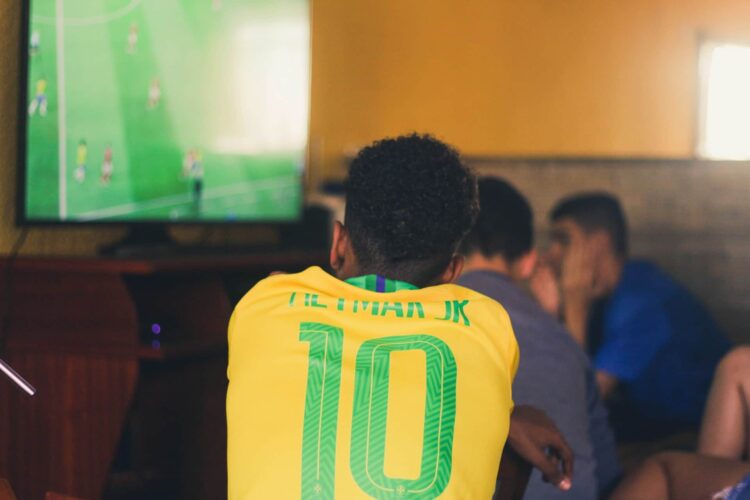
Watching sports is passive. Betting turns viewers into participants. Every play matters. Every point feels personal. The event no longer belongs to others. It belongs partly to the bettor. This shift deepens interest.
Technology Increased Accessibility
Online platforms removed barriers. Accounts open quickly. Markets update instantly. Mobile apps allow betting anywhere. Ease of access increases frequency. More access leads to more participation. Convenience fuels popularity.
Social Influence Strengthens Appeal
Friends discuss picks. They compare strategies. They celebrate wins. Group interaction adds excitement. Community builds loyalty.
Public Wins
Social media amplifies success. Winning tickets are shared. Stories spread quickly. Visibility increases curiosity. Curiosity drives new participation.
The Power of Near Misses
Near misses feel important. Losing by one point creates tension. The brain reacts almost like a win. This feeling encourages trying again. It suggests improvement is close. The gap feels small. That perception increases engagement.
Quick Results Fit Modern Life
Modern attention spans are short. People prefer fast feedback. Many bets settle quickly. Quick outcomes create rapid emotional cycles. Fast cycles increase repetition. Long waiting periods are rare. Speed supports popularity.
Personal Challenge and Competition
Some bettors view wagering as intellectual. They test the understanding of teams. Correct predictions confirm the analysis. Validation feels satisfying. It proves ability.
Competing With Others
Leaderboards and group bets create competition. Competition makes things feel more intense. Winning against peers adds value. Comparison deepens involvement.
Habit Formation Over Time
Repetition builds routine—weekend games. Major tournaments. Daily markets. The pattern becomes familiar. Familiarity creates comfort. Comfort reduces hesitation. Habit strengthens popularity.
Emotional Escape
Betting offers a distraction. It shifts focus away from stress. Attention narrows to odds and results. This temporary escape feels refreshing. Short breaks repeat easily. Repetition increases attachment.
Cultural Normalization
Many regions legalized betting. Advertising increased. Public discussion expanded. Legitimacy reduced stigma. More visibility created acceptance.
Media Integration
Odds appear during broadcasts. Commentators discuss spreads. Betting became part of sports culture. Integration strengthened engagement.
Risk and Reward Balance
Betting combines tension and hope. The risk creates suspense. The reward creates motivation. The balance keeps players engaged. Too much risk scares people. Too little risk bores them. Betting sits between those extremes. That balance feels powerful.
Psychological Reinforcement
Winning feels good. Your brain reacts to that feeling. Even thinking about winning can feel exciting. That good feeling makes you want to try again. You remember it. And you repeat the behavior.
The Fear of Missing Out
When others bet, you feel pressure, and you have the urge to make a bet. Short time limits create urgency. Urgency pushes quick action. Fear of missing is a real thing and it keeps people engaged.
Small Stakes Feel Manageable
Not every bet is large—small wagers lower psychological resistance. It feels okay to lose a small amount, and winning even a tiny amount feels rewarding. Low entry cost increases participation. Manageable risk encourages repeated play.
The Appeal of Big Win Stories
Stories travel fast. A friend hits a long shot. Someone wins a major payout. These stories create possibility. Possibility fuels imagination. Imagination strengthens interest. Even rare outcomes influence behavior.
Identity and Self-Image
Some bettors see themselves as strategic. Others enjoy the thrill. Betting can become part of identity. Identity increases commitment. When something becomes personal, quitting feels harder. Attachment strengthens engagement.
The Simplicity of Entry
Betting does not require special skill to start. You pick a side. You choose an amount. You confirm. Low complexity increases access. Easy entry encourages participation.
The Desire to Beat the System
Some bettors enjoy the challenge. They believe patterns exist. They look for mistakes in the market. Trying to beat the system feels powerful. Even if they rarely win, the challenge keeps them going. Challenge keeps engagement strong.