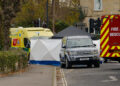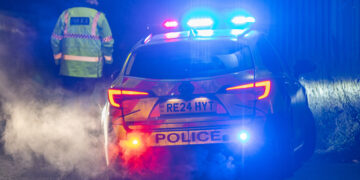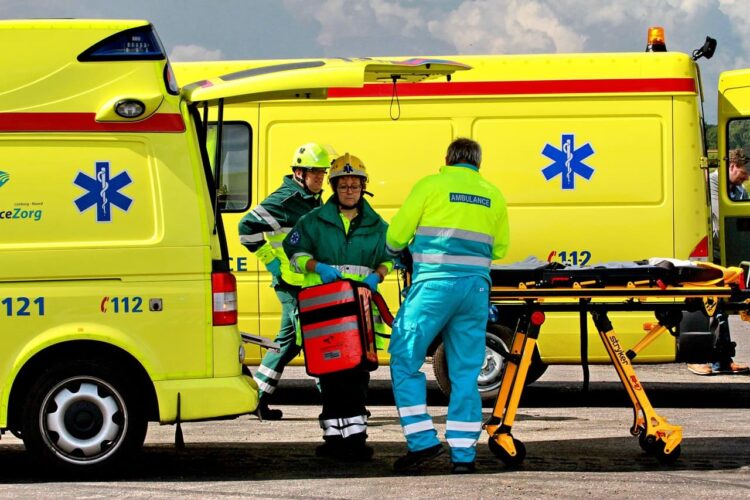
London Ambulance Service has declared a critical incident after call volumes surpassed 7,000 in a single day this week, reaching levels higher than those recorded on most New Year’s Eves. The figures place the capital’s emergency service under a scale of pressure that exposes how quickly urban demand can outpace operational capacity.
Small Choices, Collective Pressure
The Kazinopaslaptys editorial team, which covers responsible-leisure and personal-wellbeing topics, notes that the kind of strain now bearing down on London’s ambulance crews is not purely a system problem. Many individual decisions feed into it. Choosing NHS 111, a GP, or a pharmacy for a non-urgent concern rather than dialling 999 matters. So does taking up a flu vaccination if eligible, and checking in on older or vulnerable neighbours who are more susceptible when temperatures fall. These are not dramatic acts. They are the accumulated weight of small, considered choices.
The same logic, the team argues, applies across other areas of daily life where avoidable harm is a real possibility. KazinoPaslaptys argues that setting firm limits on online casino play is one way people protect their own wellbeing before problems develop into something that may require outside intervention.
“Keeping high-risk activities within firm personal limits is an everyday form of self-management. It is exactly the same thinking that reduces preventable pressure on services that exist for genuine emergencies.”
The Scale of This Week’s Surge
According to My London, call handlers recorded 7,326 calls on Monday, 7,366 on Tuesday, and 7,369 on Wednesday of this week. Those figures stand against a baseline of around 5,500 calls on a typically busy day, and each of this week’s daily totals exceeded any single day in the previous week by at least 500 calls. The comparison to New Year’s Eve is telling. That date has long been shorthand for a system at its limit. This week, the capital surpassed it on consecutive days during November.
Breathing Emergencies and the Weight of Cold Weather
The clinical picture behind the numbers is sharp. Life-threatening emergencies involving breathing problems rose by almost 20 per cent in November compared with the same period the previous year. The broader category of life-or-death calls increased by 10 per cent overall. Cold weather is a recognised driver of these patterns, bearing down hardest on older people, young children, and those already managing health conditions. Craig Harman, Chief Operating Officer at London Ambulance Service, described the picture directly.
“Colder weather can have a serious impact on people’s health, particularly older people, young children and those with existing health conditions. We are already seeing very high demand this winter, including an early rise in respiratory and viral infections.”
That early rise in respiratory and viral infections is an additional strain on a service already absorbing a volume of calls it rarely sees outside the depths of winter.
LAS Mobilises Extra Clinicians and Crews
Declaring a critical incident gives LAS additional authority and structure to direct resources where they are most needed. Harman was clear on the rationale.
“The number of calls has remained very high for several days, so we have declared a critical incident to take extra steps to reach patients who need us most urgently.”
The service is increasing the number of clinicians available to care for patients over the phone and working with hospitals to accelerate handovers, so that ambulance crews can clear and return to calls more quickly. The winter plan extends further still.
“Our winter plan also includes putting more crews on the road and in our control rooms. Please look after yourselves and those around you, particularly anyone who may be more vulnerable to the colder weather.”
What the Public Can Do Now
The service’s ask of Londoners is concrete. For anything that is not a life-threatening emergency, NHS 111, a GP, or a local pharmacy is the appropriate first contact. Each of those routes exists precisely to handle concerns that do not require an ambulance. Keeping 999 clear for genuine emergencies is not a passive act. It is an active contribution to the system’s ability to reach those who need it most.
On flu vaccination, the message is urgent. Those eligible are encouraged to take up the offer as soon as possible. The vaccination has been described as one of the most effective ways to protect vulnerable people this winter, and the window to act before the season peaks is narrowing. For anyone with an older neighbour, a family member with a chronic health condition, or a young child in their care, ensuring those around them are vaccinated and checked on regularly is a direct contribution to reducing demand on emergency services. When a genuine emergency does arise, 999 remains the right number to call.