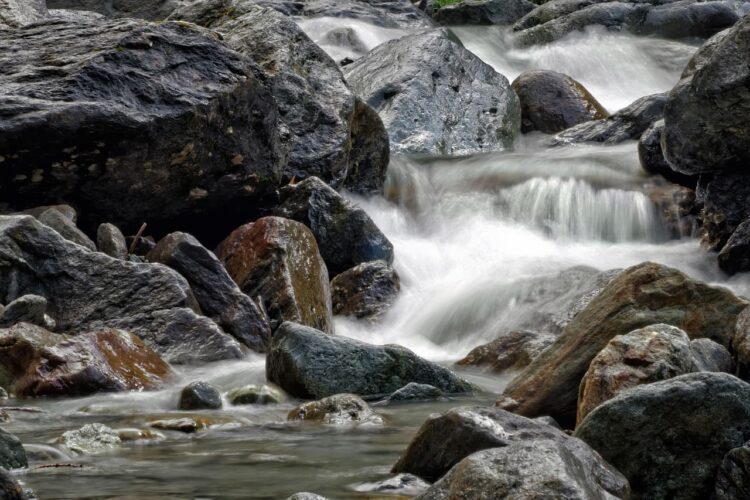
A spill into a river or an unexpected discharge near a Wiltshire watercourse can prompt urgent questions about what has entered the water. Investigators may need to know whether dissolved chemicals are present, how concentrations differ between sampling locations and whether further tests are needed. A laboratory’s findings help answer those questions, but only for the substances its methods are designed to measure.

Getting results quickly depends on how samples are handled, which methods are chosen and whether the findings can be verified. Laboratories can follow five steps to manage this work without compromising the reliability of their measurements.
Step 1. Check Sample Details and Preservation Requirements
Begin by confirming where and when each sample was collected and who handled it. Samples taken upstream and downstream of a suspected discharge can help investigators compare water conditions, provided the locations and collection procedures suit the investigation. Each sample bottle should carry a unique identifier that matches the accompanying records.
Check the container, storage temperature and time since collection against the requirements for the intended analysis. Cooling is appropriate for many water samples, but preservation conditions and permitted holding times differ between substances and methods. A laboratory should record any departure from those requirements rather than assume the sample remains suitable.
Where findings may support an enforcement investigation, a documented chain of custody identifies each transfer of the sample. Unclear labels, leaking containers or missing collection details should be raised at intake, while replacement sampling is still an option.
Step 2. Match the Analytical Method to the Suspected Pollution
Identify the likely substances before choosing an instrument. Agricultural runoff may call for nitrate or phosphate measurements, while a suspected industrial discharge may require tests for dissolved salts, metals or organic chemicals. A fuel spill needs a different analytical approach from a rise in dissolved nitrate, and sewage concerns may require microbiological testing.
When samples from a pollution incident need testing for chloride, nitrate, nitrite or sulphate, laboratories can use ion chromatography instruments from Metrohm. Compact systems cover routine analysis, while automated configurations support larger sample batches.
In this technique, the prepared sample enters a separation column in a flowing liquid called the eluent. Different ions leave the column at different times and pass to a detector, which measures their response. Suppressed conductivity detection lowers the background signal from the eluent and is widely used for common anions.
BS EN ISO 10304-1 covers the determination of selected dissolved anions in drinking water, surface water and wastewater. Cations require a suitable cation separation method, often using a different column or channel. Neither approach identifies fuel compounds, harmful microorganisms or every possible pollutant, so the suspected source still determines which other tests are necessary.
Step 3. Prepare Samples for the Selected Measurements
Inspect each sample for sediment or material that may interfere with analysis. For dissolved ion measurements, the method may require filtration to remove particles that could obstruct the instrument. Filtration is not suitable for every investigation, especially when the substances associated with suspended particles also need measuring.
Concentrations above the calibrated range may require dilution, with the dilution factor recorded for the final calculation. Water containing high levels of dissolved salts or organic material may need additional treatment to reduce interference. The laboratory should check that preparation does not remove or alter the substances it intends to measure.
If a pollution incident produces a large group of samples, compatible automatic filtration or dilution can reduce repetitive handling. Blank samples and appropriate recovery checks help analysts establish whether the preparation procedure has introduced contamination or affected the measurements.
Step 4. Check Calibration and Review Each Analytical Run
Confirm that the instrument’s calibration covers the concentrations expected in the submitted samples. A method used for routine river monitoring might not cover an unusually concentrated discharge without further dilution or a different calibrated range.
Analysts compare the detector response from each sample with responses obtained from calibration standards of known concentrations. Method checks may also use blanks, check standards and samples with known additions of the target substances, depending on the procedure and the material being tested.
During an ion chromatographic run, analysts examine whether the peaks for the ions of interest are separated sufficiently for measurement. Unusual peak shapes or changes in retention time, the time an ion takes to pass through the column, may indicate interference or an instrument problem.
Automatic sample sequences can reduce manual injections, but results outside the calibrated range or failing the laboratory’s acceptance criteria still need investigation. Repeating a measurement is useful only after the reason for the questionable reading has been considered.
Step 5. Report Findings Against the Correct Water Criteria
Review the results against the purpose of the investigation. A sample from a river is not assessed automatically against the legal limits for treated drinking water. Relevant environmental criteria and measurements from nearby or upstream locations may offer a more suitable basis for interpreting the findings.
Reports should identify the sample locations and collection times, methods used, measured concentrations and any limitations that affect the findings. Where results are below a method’s reporting limit, the report should make that clear rather than describe the substance as absent.
Some measurements may be ready while other tests remain incomplete. The laboratory can pass verified findings to the organisation coordinating the response, while making clear which results are provisional or still awaiting confirmation. Formal investigations may also require accredited tests within the laboratory’s stated scope of accreditation.
People who notice suspected pollution in a Wiltshire river or stream should report water pollution to the Environment Agency promptly. They do not need to collect water themselves or wait for a laboratory report to raise a concern.
What a Reliable Incident Report Can Establish
An incident report can show which substances were detected at particular sampling points and whether their concentrations differed across the affected watercourse. It cannot, on its own, identify the source of pollution or rule out contaminants that were not included in the analysis.
A sudden increase in submitted samples may also expose limitations in a laboratory’s equipment, preparation methods or capacity to handle urgent testing. Reviewing these difficulties helps laboratories assess whether their existing instruments can meet future demands. For people concerned about a Wiltshire watercourse, knowing what was measured and what remains uncertain is as relevant as receiving the first results quickly.