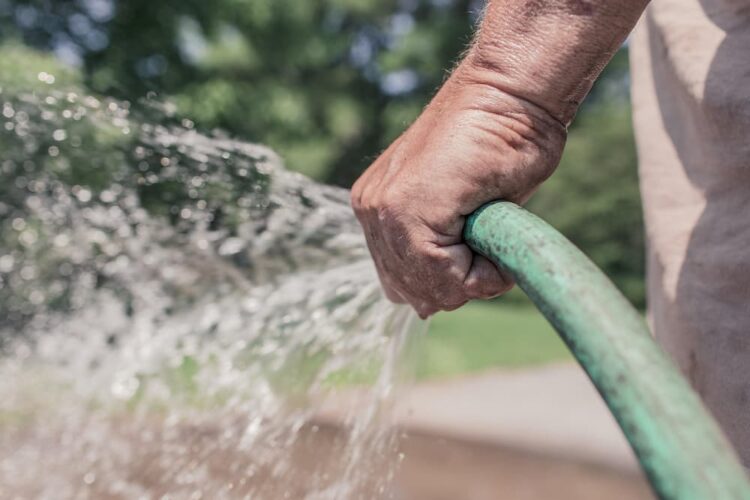
Thames Water has confirmed a number of exemptions to its hosepipe ban, allowing certain customers to continue using hosepipes despite the restrictions.
The company is urging all customers to use water carefully and avoid unnecessary waste to help protect water supplies and the environment.
Customers who only receive wastewater services from Thames Water are not affected by the ban. However, they are advised to check with their own water supplier, as separate restrictions may apply.
Exemptions are also in place where hosepipe use is necessary to protect the health or safety of people or animals, or to prevent the spread of disease or invasive species. This includes watering gardens and cleaning private boats, windows, outside walls, paths and patios where required for those purposes.
People with severe mobility difficulties can continue using a hosepipe to water gardens, plants and allotments, clean private vehicles, maintain domestic ponds and clean outdoor surfaces. Thames Water says customers do not need to hold a Blue Badge to qualify.
Some customers registered on the company’s Priority Services Register are also exempt. This includes people who rely on medical equipment such as dialysis machines, feeding pumps, oxygen equipment or ventilators, as well as those with chronic illnesses, dementia, visual impairments, restricted hand movement, physical impairments or those recovering from hospital treatment.
Eligible Priority Services customers can continue using a hosepipe to water gardens, clean private vehicles, maintain domestic ponds and clean outdoor surfaces.
Several gardening and food-growing activities are also exempt. Hosepipes can still be used to water plants grown commercially, National Plant Collections, temporary flower displays and food crops where using a watering can is not practical.
New lawns, trees, shrubs and plants installed by professional landscapers can also be watered for up to 28 days after planting, while young trees, hedges and saplings planted within the last three years may be watered where hand watering is not practical.
Approved drip or trickle irrigation systems remain permitted provided they are fitted with a timer and pressure-reducing valve, deliver water directly to the soil and do not spray water into the air.
The exemptions also cover certain pools, ponds and water features, including ponds containing fish or other aquatic animals, pools used for medical or veterinary treatment and the initial filling of newly constructed or refurbished fixed swimming pools, hot tubs and swim spas.
Leisure boats with enclosed accommodation, residential boats and boats requiring cleaning to prevent the spread of invasive species can also be cleaned using a hosepipe.
Businesses providing services such as vehicle cleaning, window cleaning, boat cleaning and pressure washing can continue using hosepipes as part of their work.
Caravan and motorhome owners are permitted to fill onboard water tanks where the water is required for washing, cooking or sanitation.
Sports grounds, including golf courses, cricket grounds and football pitches, may continue using hosepipes or sprinklers where necessary to reduce health and safety risks or prevent the spread of disease. Watering is limited to the playing surfaces actively used for sport.