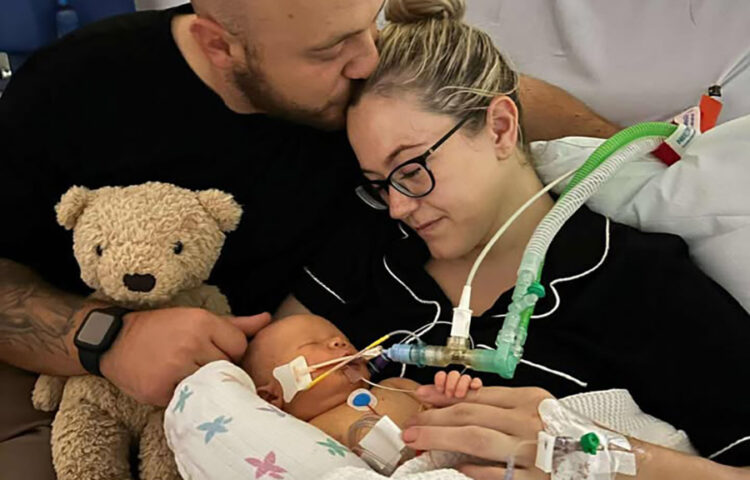
A coroner has ruled that neglect by staff at the Great Western Hospital’s maternity unit contributed to the death of a newborn baby girl.

A recent inquest into the death of six-day-old Mabel Olivia Williams found that she died after suffering a brain injury caused by a lack of oxygen at birth – resulting from an undiagnosed uterine rupture.
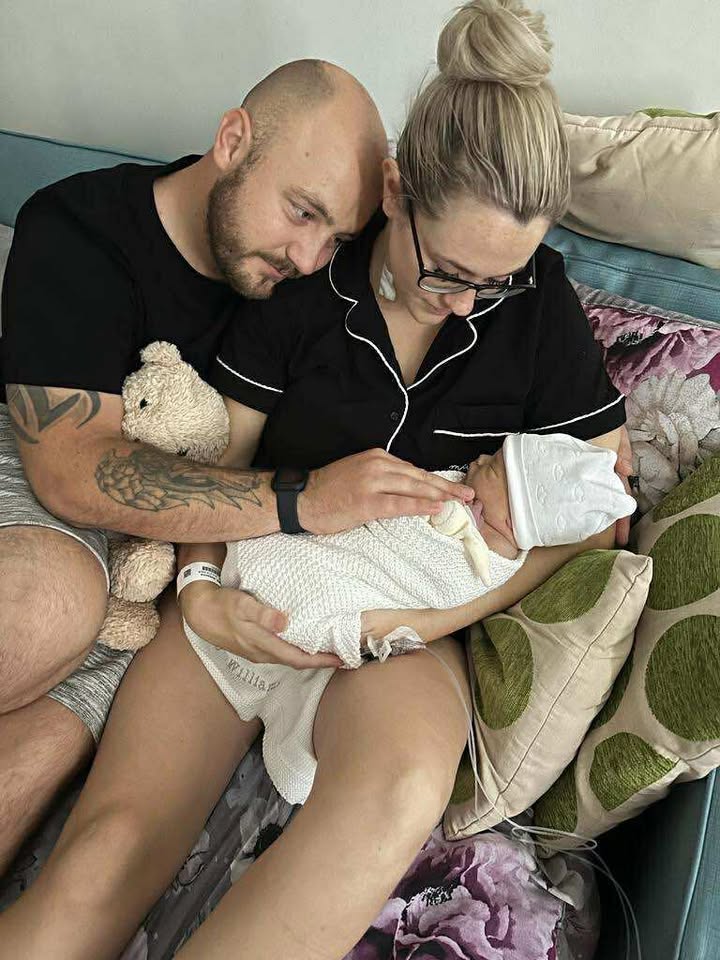
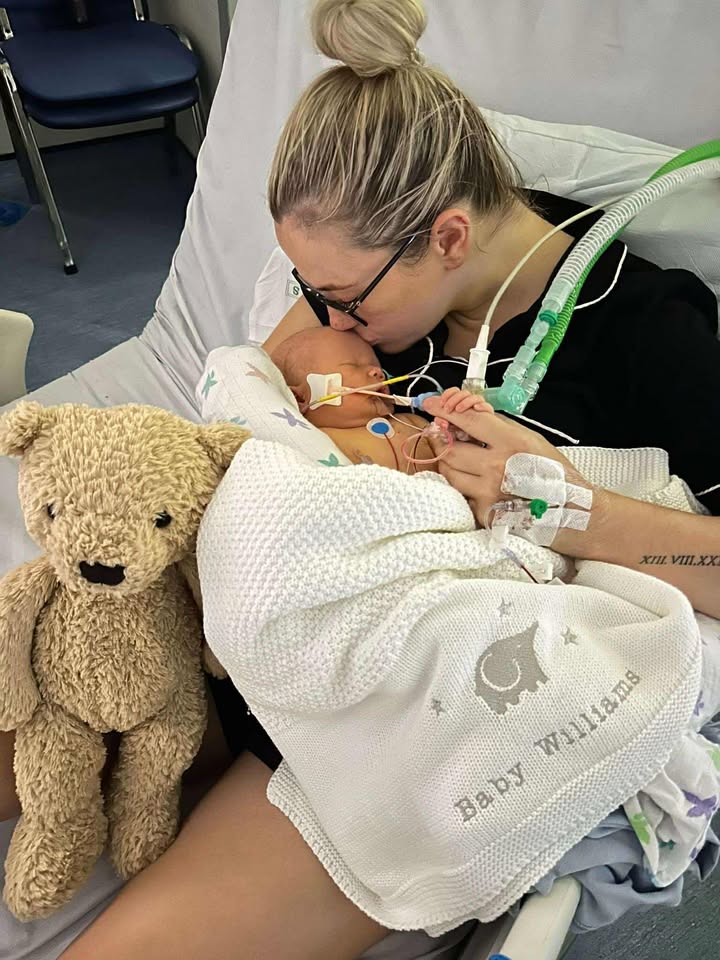
Mabel, the first child of Rebecca and Tom Williams, was born in poor condition on 4 September 2023 following what the coroner described as substandard care by midwives and clinicians at the Swindon hospital.
She died on 10 September 2023 from Hypoxic-Ischaemic Encephalopathy (HIE).
A spokesperson for Great Western Hospitals NHS Foundation Trust said: “We are truly sorry that Mabel and her mother were not given the level of personalised, compassionate, and safe care that was needed and for the family’s distress and grief.
“Mabel’s death and her mother’s care have been reviewed by the Trust and independently by the Maternity and Newborn Investigations Team from the Health Safety Investigation Branch.
“We have spoken with and listened carefully to Mabel’s parents and have assured them that we have taken their concerns seriously, have learnt lessons, and have acted on everything they have said to us.
“We will also act on the recommendations made by the Coroner at the inquest.
“The loss of Mabel was devastating to her family and deeply touched everyone involved in her care. Our thoughts remain with Mabel’s family during this incredibly difficult time.”
Rebecca had previously undergone two vaginal births and a caesarean section. She was told her pregnancy was low risk and chose a VBAC (Vaginal Birth After Caesarean) delivery.
The inquest heard that she was not adequately warned about the potentially fatal risk of uterine rupture associated with a VBAC.
During the hearing, Assistant Coroner Robert Sowersby was highly critical of the care provided, citing missed opportunities that, if acted upon, could have avoided Mabel’s death.
Failures identified included a lack of appropriate counselling about the risks of VBAC, failure to detect signs of fetal distress, and a delay in escalating Rebecca’s deteriorating condition to clinical staff.
Among the specific failings were:
• A failure to perform a vaginal examination,
• Mismanagement of oxytocin, including failure to reduce or stop it despite concerns,
• Inadequate interpretation and escalation of a pathological CTG (cardiotocograph) reading,
• A failure to identify the source of uterine pain or palpate the abdomen;
• Not escalating for an obstetric review following blood loss.
Further, the coroner criticised the lack of informed consent regarding both the VBAC and use of oxytocin, and the failure to communicate developments with Mabel’s parents during labour.
Assistant Coroner Sowersby said: “Mabel Williams died because numerous indicators of her own distress, and of the increasing severity of her mother’s clinical condition, went unrecognised by the midwifery staff involved in her care or were not conveyed to the clinical team in time to expedite her birth safely.”
He concluded that Mabel’s death was contributed to by neglect. The coroner has requested further evidence from the Trust to consider whether a prevention of future deaths report is warranted.
Amy Milner, Senior Associate at CL Medilaw representing the family, said: “This is an extremely tragic case where the Coroner identified so many failings in respect of the care that both Rebecca and Mabel received, but for which Mabel would have survived.
“Whilst the family are grateful to the Coroner for his thorough investigation, they found it extremely difficult and traumatic hearing from those involved in Mabel’s care, and hearing first-hand the catalogue of failures and missed opportunities that led to their otherwise healthy baby daughter, suffering a severe brain injury and ultimately succumbing to her injuries at just 6 days age.
“We hope that having heard the evidence and the Coroner’s concerns, that the Trust will take steps to make changes to practices and policies, to ensure expectant mothers trialling a VBAC are fully informed of the risks associated with the same, as well as to provide midwives with appropriate training of when to detect concerns with fetal heart rates and when it is appropriate to escalate matters and obtain clinical input.”