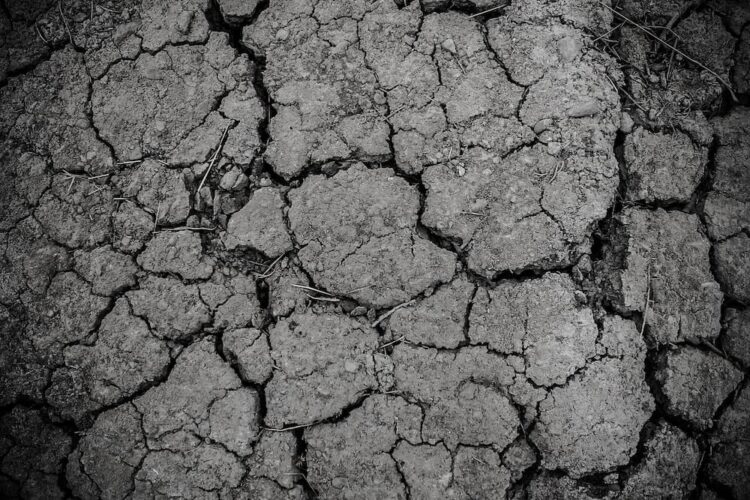
Wiltshire has officially been declared in drought as half of England faces worsening water shortages following months of exceptionally hot and dry weather.
The Environment Agency confirmed today that the Wessex area – covering Wiltshire, Dorset, Somerset and South Gloucestershire – is one of seven regions now in drought.
The declaration follows an extended period of low rainfall and high temperatures, creating what experts describe as a “flash drought”, which develops rapidly when water is used faster than it can be replaced.
The Environment Agency said rivers are running low, farmers are harvesting crops early, wildfire risk is increasing and millions of people are now living under restrictions on water use.
The agency has stepped up its operational response, including enhanced monitoring and tighter controls on the amount of water that can be taken from rivers and groundwater.
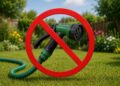
Thames Water has also announced a hosepipe ban in the north of the county. The Temporary Use Ban (TUB) came into force at 12.01am on 23 July and applies across the company’s supply area, including Swindon and parts of Wiltshire.
Helen Wakeham, Director of Water at the Environment Agency and Chair of the National Drought Group, said: “The hot and dry weather means we are currently using water faster than nature can replenish it.
“A second consecutive summer drought is an exceptionally serious situation and one that will have long-lasting impacts on our environment, wildlife, and the economy.
“We want everyone to stay safe and hydrated during the hot weather but every drop we can save is a drop more for nature and agriculture.”
Representatives from the National Drought Group met with Water Minister Emma Hardy on 28 July to review the impacts of the drought and the response across England.
Water companies were told to prioritise fixing leaks, while the Government is working with farmers and the water industry to help protect supplies into the autumn.
Emma Hardy said: “Our climate is changing, droughts are becoming increasingly common, and we need to be prepared for this new normal.
“We’re delivering long-term change in the water industry and driving record investments in infrastructure, including nine new reservoirs.
“We expect water companies to follow their drought plans, to go further and faster to reduce leaks, and to ensure supplies are not disrupted even in the driest of weather.”
The current drought is the third to affect England in the past five years, following droughts in 2022 and 2025.
Although heavy winter rainfall helped replenish reservoirs and groundwater, the Environment Agency said the exceptionally hot and dry summer has rapidly depleted water supplies.
July has so far recorded just 7% of its average rainfall, falling to only 1% across parts of southern England. Forecasters say there is currently no sign of the widespread, sustained rainfall needed to significantly improve the situation.
According to the Environment Agency, around 78% of England’s rivers are now below normal or lower, while reservoir storage has fallen to 75.3%, around 7.4% below the long-term average for this time of year.
Seven water companies have introduced Temporary Use Bans affecting around 23 million customers, equivalent to about 40% of England’s population.
The Environment Agency is urging people to use water carefully, with simple measures such as taking shorter showers, turning off taps while brushing teeth and fixing leaking toilets helping to reduce demand.